



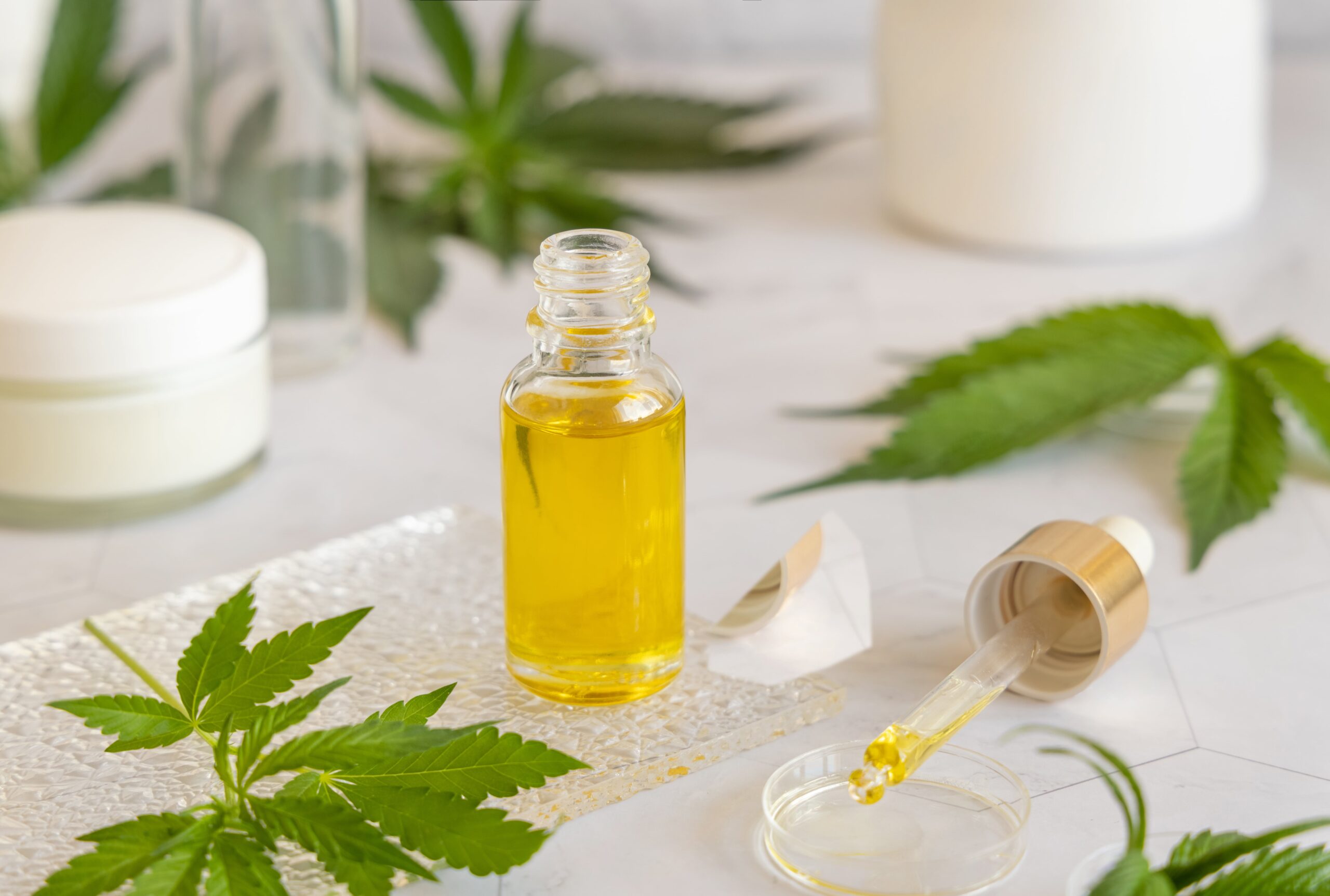
Understanding CBD vs THC: What You Need to Know
The CBD vs THC debate represents one of the most important topics in cannabis wellness today. These two cannabis plant compounds offer distinctly different effects, legal status, and therapeutic applications for consumers.
At Crop Processors, we specialize in hemp derived CBD products that contain less than 0.3% THC. Our farm-to-bottle process ensures consistent quality while maintaining compliance with federal hemp regulations.
CBD stands for cannabidiol, a non psychoactive compound found in hemp plants. THC refers to tetrahydrocannabinol, the psychoactive component that produces euphoric effects in marijuana products.
Understanding these differences helps consumers make informed decisions about wellness products. Both compounds interact with the body’s endocannabinoid system but produce vastly different experiences and effects.
The hemp industry growth reflects increasing consumer interest in natural wellness alternatives. Educational content about cannabinoid differences supports better product selection and usage decisions.
Key Differences Between CBD vs THC
Source and Origin Variations
Hemp derived CBD comes from industrial hemp plants containing less than 0.3% THC by dry weight. These plants are legally grown under federal agriculture programs and state licensing systems.
Marijuana derived THC originates from cannabis plants bred for high psychoactive content. These plants typically contain 15-30% THC and remain federally controlled substances.
Cannabis plant compounds vary significantly based on genetics, growing conditions, and harvesting methods. Hemp varieties focus on CBD production while marijuana strains maximize THC content.
The cultivation differences affect final product characteristics including potency, flavor profiles, and therapeutic potential. Legal hemp must maintain strict THC limits throughout growth and processing.
Chemical Structure and Properties
Cannabinoid receptor binding patterns differ between CBD and THC despite similar molecular structures. THC binds directly to CB1 receptors in the brain, producing psychoactive effects.
CBD works indirectly through various receptor systems without producing euphoric sensations. This non psychoactive profile makes CBD suitable for daily wellness routines without impairment concerns.
Both compounds influence the endocannabinoid system but through different mechanisms. THC activates receptors directly while CBD modulates receptor activity and enzyme function.
The molecular differences explain why CBD products can be used throughout the day while THC products may impair cognitive function and motor skills.
Product Formulation Differences
Full spectrum products contain both CBD and trace amounts of THC along with other cannabinoids and terpenes. These formulations may provide entourage effect benefits through compound synergy.
Broad spectrum CBD includes multiple cannabinoids while removing detectable THC content. This approach offers potential entourage effects without psychoactive concerns or legal restrictions.
CBD isolate powder contains pure cannabidiol without other cannabis compounds. This refined form ensures zero THC content while providing predictable CBD effects.
Product selection depends on individual preferences, sensitivity levels, and legal requirements in specific jurisdictions or employment situations.
How CBD vs THC Affects the Body
Psychoactive Effects and Mental Impact
Psychoactive effects of THC include altered perception, mood changes, and cognitive impairment lasting 2-8 hours. These effects result from direct CB1 receptor activation in brain tissue.
CBD produces no psychoactive effects and may actually counteract THC’s euphoric properties. Many users report improved focus and mental clarity with CBD use.
THC can cause anxiety, paranoia, or discomfort in sensitive individuals. CBD often provides anxiety reduction and stress relief without negative psychological effects.
The therapeutic window differs significantly between compounds. CBD can be used in high doses without safety concerns while THC requires careful dosing.
Physical Effects and Wellness Applications
Pain relief from CBD occurs through anti-inflammatory pathways and pain receptor modulation. Many users report reduced discomfort without cognitive impairment or dependency concerns.
THC provides pain relief through different mechanisms including euphoric distraction and direct analgesic effects. However, psychoactive properties may limit daytime usage for many people.
Appetite stimulation represents a well-known THC effect often called “the munchies.” CBD typically doesn’t affect appetite significantly and may actually suppress hunger in some users.
Sleep applications differ between compounds. CBD sleep aids promote relaxation without sedation while THC may cause drowsiness but potentially disrupt sleep quality.
Interaction with Medications
CBD may interact with certain medications by affecting liver enzyme activity. Consumers should consult healthcare providers before combining CBD with prescription medications.
THC interactions include enhanced effects of sedatives, blood thinners, and blood pressure medications. The psychoactive nature increases interaction risks compared to CBD.
Both compounds may affect drug metabolism but through different pathways. Professional medical guidance ensures safe integration with existing treatment regimens.
Individual responses vary significantly based on genetics, health status, and medication profiles. Start-low and go-slow approaches minimize interaction risks for both compounds.
Legal Considerations for CBD vs THC Products
Federal and State Regulations
CBD legal status derives from the 2018 Farm Bill, which legalized hemp containing less than 0.3% THC. This federal law enables interstate commerce and widespread availability.
THC legal restrictions remain in place at the federal level despite state-level cannabis legalization programs. Federal agencies still classify THC as a controlled substance.
State regulations vary significantly for both compounds. Some states restrict CBD sales while others have comprehensive cannabis programs including recreational THC use.
Medical marijuana use requires physician recommendations and state registry participation in legal jurisdictions. These programs provide legal protection for qualified patients.
Employment and Testing Considerations
Drug testing typically screens for THC metabolites rather than CBD. However, full spectrum CBD products may cause positive tests due to trace THC content.
Broad spectrum and isolate products minimize drug test risks by eliminating or reducing THC content. Many employers maintain zero-tolerance policies regardless of legal status.
Safety-sensitive positions including transportation and healthcare often prohibit any cannabis use. Professional athletes may face additional restrictions through governing body regulations.
Legal documentation doesn’t guarantee employment protection. Individual company policies may exceed legal requirements and prohibit all cannabis-derived products.
Product Labeling and Compliance
Accurate labeling requirements include cannabinoid content, serving sizes, and safety warnings. Compliance varies between CBD and THC products based on legal classification.
THC products require extensive tracking, testing, and security measures in legal states. These regulations increase costs and complexity compared to hemp CBD products.
Third-party testing verifies label accuracy and safety for both compound types. Reputable manufacturers provide certificates of analysis showing detailed cannabinoid profiles.
Interstate shipping restrictions affect THC products even in legal states. CBD products can ship nationwide when properly formulated and labeled.
Crop Processors Explains CBD vs THC Benefits
Our Hemp-Based CBD Expertise
Crop Processors specializes in hemp derived CBD products that deliver therapeutic benefits without psychoactive effects. Our processing lab ensures consistent quality and federal compliance.
We offer full spectrum CBD oils containing beneficial cannabinoids with less than 0.3% THC. These products provide entourage effect benefits while maintaining legal compliance nationwide.
Our founder Steve Cook recognized hemp’s potential for wellness applications long before mainstream acceptance. This vision continues through our commitment to quality and education.
Charles Cook, our current president, maintains the family legacy of premium hemp processing and customer education. We combine traditional values with modern extraction technology.
Product Development and Quality Standards
Wellness CBD oil from our facility undergoes rigorous testing to verify cannabinoid content and safety standards. We maintain detailed documentation supporting product consistency and compliance.
Our full spectrum products provide therapeutic cannabis extracts while staying within legal THC limits. Advanced extraction methods preserve beneficial compounds while ensuring regulatory compliance.
CBD dosage guidelines vary based on individual needs and product formulations. We provide detailed product information helping customers make informed decisions about serving sizes.
Quality control measures include testing for potency, pesticides, heavy metals, and microbials. These standards ensure product safety and therapeutic effectiveness across our entire line.
Educational Support and Customer Service
We educate customers about CBD product benefits including pain management, sleep assistance, and stress reduction. Our team provides guidance without making medical claims.
Understanding cannabinoid differences helps customers select appropriate products for their wellness goals. We explain formulation types including full spectrum, broad spectrum, and isolate options.
Our processing services include custom formulation development for wholesale clients. This expertise extends to private label opportunities and dealer network programs.
Customer support includes dosage guidance, product selection assistance, and ongoing education about hemp wellness applications. We prioritize transparency and customer satisfaction.
Industry Leadership and Innovation
Hemp industry growth creates opportunities for education and product development. We stay current with research and regulations to provide accurate information and compliant products.
Our farm-to-bottle approach ensures complete quality control from cultivation through final packaging. This integration supports consistent product quality and supply chain transparency.
Processing capabilities include extraction, formulation, and packaging services for various product types. We serve individual consumers, retailers, and wholesale clients throughout the United States.
Dealer network opportunities start around $700 for qualified applicants. These programs provide business support and access to our premium hemp derived products.
Ready to explore the benefits of premium CBD products? Contact Crop Processors today to learn more about our hemp derived CBD oils, gummies, and topicals designed for natural wellness support.

0 Comments