



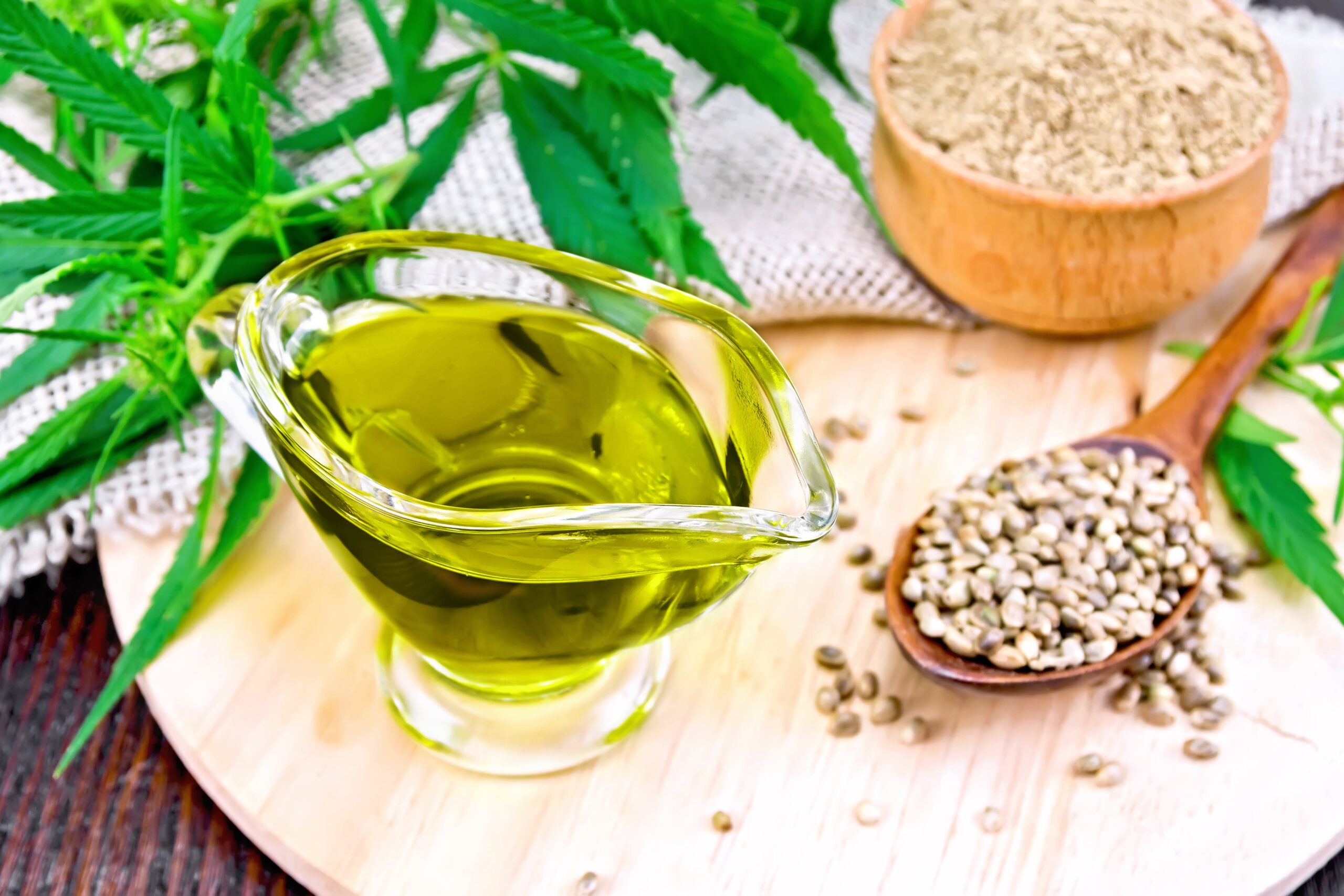
Hemp Oil vs CBD: Understanding the Essential Differences for Informed Consumers
The cannabis industry presents consumers with numerous product options, yet few topics generate more confusion than the hemp oil vs CBD comparison. At Crop Processors, our team regularly addresses questions from consumers seeking clarity about these distinct products and their respective applications. Understanding the fundamental differences between hemp seed oil and CBD oil enables informed purchasing decisions that align with individual wellness goals and expectations.
Consumer confusion often stems from misleading marketing practices and inconsistent labeling standards that blur the lines between different cannabis-derived products. Many retailers use terms like hemp oil and CBD oil interchangeably, creating misconceptions about product composition, therapeutic potential, and appropriate applications. Professional education about these products helps consumers navigate the marketplace while making choices that truly meet their specific needs and preferences.
The cannabis plant, specifically Cannabis sativa, serves as the source material for both hemp seed oil and CBD oil products, yet these oils originate from entirely different parts of the plant and undergo distinct extraction processes. These fundamental differences in source material and processing methods result in products with vastly different compositions, benefits, and intended uses. Understanding these distinctions represents the foundation for making informed decisions about cannabis-derived wellness products.
Quality manufacturing standards play a crucial role in determining the effectiveness and safety of both hemp oil and CBD products, making manufacturer selection as important as understanding product differences. Professional companies like Crop Processors implement rigorous quality control measures throughout cultivation, extraction, and manufacturing processes to ensure consistent product quality and consumer satisfaction. This commitment to excellence distinguishes reputable manufacturers from companies that prioritize cost reduction over product integrity and consumer safety.
Hemp Oil vs CBD: Why the Label Doesn’t Tell the Full Story
Product labeling in the cannabis industry often fails to provide sufficient information for consumers to understand the true nature and composition of hemp oil and CBD products. Regulatory inconsistencies and marketing strategies contribute to widespread confusion that can mislead consumers about product contents, expected effects, and appropriate applications. Professional manufacturers recognize this challenge and implement transparent labeling practices that provide comprehensive product information beyond basic regulatory requirements.
The term hemp oil frequently appears on products containing hemp seed oil, CBD oil, or various combinations of cannabis-derived compounds, making it impossible for consumers to determine actual product composition without additional research. This labeling ambiguity creates situations where consumers purchase products expecting specific benefits that may not align with the actual product contents. Clear, detailed labeling helps consumers make informed choices while building trust between manufacturers and their customers.
Marketing claims surrounding both hemp oil and CBD products often exceed the actual capabilities of these products, creating unrealistic expectations that can lead to consumer disappointment and confusion about legitimate benefits. Professional manufacturers focus on accurate representations of product capabilities while providing educational resources that help consumers understand realistic outcomes and appropriate usage guidelines. This approach builds long-term customer relationships based on trust and satisfaction rather than inflated marketing promises.
Understanding Regulatory Complexity
Federal and state regulations governing hemp and marijuana products create additional complexity in product labeling and marketing that directly impacts consumer understanding of hemp oil vs CBD distinctions. Legal definitions of hemp, CBD, and marijuana vary between jurisdictions, affecting how manufacturers can describe their products and what information they must include on labels. Professional companies maintain compliance with all applicable regulations while providing maximum transparency about product composition and source materials.
The regulatory landscape continues evolving as government agencies develop more comprehensive guidelines for cannabis-derived products, potentially affecting future labeling requirements and marketing standards. Consumers benefit from working with manufacturers who stay current with regulatory changes and proactively implement best practices that exceed minimum legal requirements. This forward-thinking approach ensures continued access to high-quality products regardless of regulatory developments.
Identifying Quality Indicators Beyond Labels
Professional evaluation of hemp oil and CBD products requires examining factors beyond basic label information, including third-party testing results, extraction methods, and source material quality. Reputable manufacturers provide comprehensive product documentation that enables informed decision-making based on objective quality indicators rather than marketing claims alone. These quality assurance measures help consumers identify products that meet their specific requirements and expectations.
Manufacturing transparency represents a key indicator of product quality and company integrity, with the best manufacturers providing detailed information about cultivation practices, extraction methods, and testing protocols. This transparency enables consumers to evaluate products based on comprehensive quality criteria while building confidence in their purchasing decisions. Professional manufacturers view transparency as essential for maintaining customer trust and supporting informed consumer choices.
The Key Difference Lies in What Part of the Plant It Comes From
The fundamental distinction between hemp seed oil and CBD oil originates from the specific parts of the plant used during extraction, with hemp seed oil derived exclusively from Cannabis sativa seeds while CBD oil comes from the leaves and stalks of the hemp plant. These different source materials contain entirely different compounds and offer distinct nutritional and therapeutic profiles that serve different consumer needs and wellness goals.
Hemp seeds serve as an excellent source of essential fatty acids, including optimal ratios of omega-3 and omega-6 fatty acids that support various aspects of human health and nutrition. The nutritional profile of hemp seed oil makes it valuable as a dietary supplement and cooking oil rather than a source of cannabinoids or compounds that interact with the endocannabinoid system. This nutritional focus distinguishes hemp seed oil from CBD products designed for different therapeutic applications.
CBD extraction focuses on the flowering tops, leaves, and stalks of the hemp plant where cannabinoids concentrate in highest quantities, particularly cannabidiol and other compounds that interact with the endocannabinoid system. The therapeutic benefits associated with CBD oil stem from these cannabinoid compounds rather than the nutritional components found in hemp seeds. Understanding this distinction helps consumers select products that align with their intended usage and expected outcomes.
Hemp Seed Extraction and Nutritional Benefits
Hemp seed oil production involves cold-pressing or solvent extraction of hemp seeds to preserve the delicate essential fatty acids and nutritional compounds that provide the primary benefits of this product. The extraction process focuses on maintaining nutritional integrity rather than maximizing cannabinoid content, as hemp seeds contain minimal amounts of CBD or other therapeutic cannabinoids. This nutritional focus makes hemp seed oil valuable for dietary supplementation and culinary applications.
The omega-3 and omega-6 fatty acid profile in hemp seed oil provides balanced nutrition that supports immune system function, cardiovascular health, and overall wellness through different mechanisms than CBD-based products. These essential fatty acids serve as building blocks for various biological processes while providing anti-inflammatory properties that complement but differ from CBD’s therapeutic mechanisms. Understanding these nutritional benefits helps consumers appreciate hemp seed oil’s unique value proposition.
CBD Extraction from Plant Material
CBD oil production requires sophisticated extraction methods that isolate cannabinoids from the leaves and stalks of the hemp plant while preserving the therapeutic compounds that provide the primary benefits of these products. Professional extraction techniques such as CO2 extraction or ethanol-based methods enable precise control over final product composition while maintaining the integrity of heat-sensitive cannabinoids and terpenes.
Full spectrum CBD products retain the complete range of cannabinoids, terpenes, and other therapeutic compounds present in the original plant material, creating an entourage effect that may enhance overall therapeutic benefits compared to isolated compounds. Broad spectrum CBD offers similar benefits while removing THC content for consumers who prefer to avoid any psychoactive compounds. These extraction variations provide options that meet different consumer preferences and requirements while maintaining therapeutic potential.
Benefits, Uses, and Misconceptions That Could Mislead Buyers
The benefits of CBD oil and hemp seed oil serve different wellness applications, yet marketing misconceptions often blur these distinctions and create unrealistic expectations about what each product can accomplish. Hemp seed oil provides primarily nutritional benefits through essential fatty acids and other nutrients, while CBD oil offers therapeutic benefits through interaction with the endocannabinoid system. Understanding these different benefit profiles helps consumers select appropriate products for their specific wellness goals.
Common misconceptions suggest that all cannabis-derived oils provide similar therapeutic effects, leading consumers to purchase hemp seed oil expecting CBD-like benefits or vice versa. This confusion results from inconsistent marketing terminology and inadequate consumer education about the fundamental differences between these products. Professional manufacturers address these misconceptions through clear product descriptions and educational resources that explain appropriate applications and realistic expectations.
Health benefits associated with hemp seed oil focus primarily on nutritional supplementation, including support for cardiovascular health, skin condition improvement, and immune system function through essential fatty acid provision. These benefits complement overall wellness strategies but operate through different biological mechanisms than CBD’s interaction with cannabinoid receptors. Consumers seeking specific therapeutic effects should understand these mechanistic differences when selecting between hemp oil and CBD products.
Realistic Expectations for Hemp Seed Oil
Hemp seed oil serves as an excellent nutritional supplement that provides essential fatty acids often lacking in typical Western diets, supporting various aspects of health through improved nutrition rather than specific therapeutic compounds. The balanced omega-3 and omega-6 content supports anti-inflammatory processes naturally while providing building blocks for cellular membrane health and hormone production. These nutritional benefits develop gradually through consistent use rather than providing immediate effects.
Culinary applications represent another significant benefit of hemp seed oil, as its mild nutty flavor and stable nutritional profile make it suitable for salad dressings, smoothies, and other food preparations. The oil’s nutritional density provides added value to meals while supporting overall dietary quality through essential fatty acid provision. This versatility makes hemp seed oil valuable for consumers seeking to improve their nutritional intake through natural, plant-based sources.
Understanding CBD Oil Therapeutic Applications
CBD oil products interact directly with the endocannabinoid system to provide therapeutic benefits that differ significantly from nutritional supplementation, offering potential support for stress management, sleep quality, and discomfort relief through specific biological pathways. These therapeutic benefits typically manifest more quickly than nutritional benefits and may provide more targeted effects for specific wellness concerns. Understanding these mechanisms helps consumers set appropriate expectations for CBD oil usage.
The variety of CBD oil products includes full spectrum formulations that provide the complete range of hemp plant compounds, broad spectrum options that remove THC while preserving other beneficial compounds, and CBD isolate products that focus exclusively on cannabidiol. Each formulation type offers different benefits and may be more suitable for specific consumer needs and preferences. Professional guidance helps consumers select the most appropriate CBD oil product for their individual circumstances and wellness goals.
Why Crop Processors Offers the Purity You Need in Both Hemp Oil and CBD
At Crop Processors, our commitment to product purity begins with carefully selected Cannabis sativa genetics and extends through every aspect of our cultivation, extraction, and manufacturing processes for both hemp seed oil and CBD oil products. Our team understands the distinct requirements for producing high-quality products in each category and implements specialized protocols that optimize purity and effectiveness for their respective applications. This comprehensive approach ensures that consumers receive products that meet the highest standards for quality and consistency.
Our hemp seed oil production focuses on preserving the delicate nutritional compounds that provide the primary benefits of this product, utilizing cold-pressing techniques and careful handling procedures that maintain essential fatty acid integrity throughout processing. The result is a pure, nutritious oil that provides optimal omega-3 and omega-6 ratios while avoiding the oxidation and degradation that can compromise nutritional value. This attention to nutritional preservation distinguishes our hemp seed oil from products that prioritize cost reduction over quality.
CBD oil production at our facility employs advanced extraction methods that preserve the full spectrum of beneficial compounds while ensuring consistent potency and purity across all product batches. Our extraction processes remove unwanted compounds while retaining the therapeutic cannabinoids and terpenes that provide CBD oil’s primary benefits. Rigorous testing protocols verify that each batch meets our exacting standards for purity, potency, and safety before distribution to consumers.
Advanced Quality Control Systems
Our quality control systems encompass every stage of production from seed selection through final product packaging, ensuring consistent quality and purity in both our hemp seed oil and CBD oil products. Environmental monitoring, equipment calibration, and personnel training programs maintain optimal conditions for producing high-quality cannabis-derived products. These comprehensive quality measures provide consumers with confidence in product consistency and effectiveness across multiple purchases.
Third-party testing verification provides independent confirmation of our internal quality control measures, with accredited laboratories analyzing each product batch for potency, purity, and contaminant levels. These detailed test results are available to consumers, providing transparency and objective verification of product quality claims. Our commitment to third-party testing exceeds industry standards and demonstrates our dedication to consumer safety and product integrity.
Specialized Processing for Optimal Results
Our hemp seed oil processing facility utilizes specialized equipment designed specifically for preserving nutritional compounds while achieving optimal extraction efficiency and product purity. Temperature control, oxygen exclusion, and careful handling procedures prevent degradation of essential fatty acids and other nutritional components throughout the extraction and bottling process. These specialized techniques ensure that our hemp seed oil maintains maximum nutritional value and shelf stability for consumer benefit.
CBD oil processing requires different specialized equipment and techniques optimized for cannabinoid preservation and extraction efficiency while maintaining product purity and consistency. Our extraction systems enable precise control over final product composition, allowing us to produce full spectrum, broad spectrum, and isolate products that meet specific consumer preferences and requirements. This processing flexibility ensures that we can provide appropriate CBD oil products for diverse consumer needs while maintaining consistent quality standards.
Making Informed Decisions About Hemp Oil and CBD Products
The hemp oil vs CBD comparison ultimately depends on individual wellness goals, with hemp seed oil providing nutritional supplementation through essential fatty acids while CBD oil offers therapeutic benefits through endocannabinoid system interaction. Consumers seeking nutritional support may find hemp seed oil more appropriate for their needs, while those looking for specific therapeutic effects typically benefit more from CBD oil products. Understanding these fundamental differences enables informed decision-making that aligns product selection with individual requirements.
Quality considerations apply equally to both hemp seed oil and CBD oil products, with manufacturing standards, testing protocols, and source material quality affecting final product effectiveness and safety. Professional manufacturers like Crop Processors implement comprehensive quality control measures for both product categories while providing transparent information that enables informed consumer choices. This quality focus ensures that consumers receive products that deliver expected benefits while meeting safety standards.
The evolving cannabis industry continues developing new products and applications that may blur traditional distinctions between hemp oil and CBD products, making ongoing consumer education essential for maintaining informed purchasing decisions. Professional manufacturers remain committed to providing accurate product information and educational resources that help consumers navigate an increasingly complex marketplace. This educational approach supports consumer satisfaction while promoting responsible usage of cannabis-derived wellness products.
Consumer success with either hemp seed oil or CBD oil depends largely on selecting appropriate products from reputable manufacturers while maintaining realistic expectations about benefits and timeline for results. Both product categories offer legitimate wellness benefits when used appropriately, though these benefits manifest through different biological mechanisms and timeframes. Professional guidance and quality products provide the foundation for positive experiences with cannabis-derived wellness solutions.
The future of cannabis-derived wellness products will likely include continued innovation in both hemp seed oil and CBD oil categories, with new extraction methods, formulations, and applications expanding consumer options while maintaining focus on quality and effectiveness. Crop Processors remains committed to advancing the science of cannabis processing while providing consumers with access to the highest quality hemp seed oil and CBD oil products available. This ongoing commitment ensures that consumers can continue benefiting from cannabis-derived wellness solutions as the industry evolves and matures.



0 Comments