
CBD’s Impact & Efficiency
Some of the findings regarding the efficiency of CBD for specific conditions
CBD for Pain
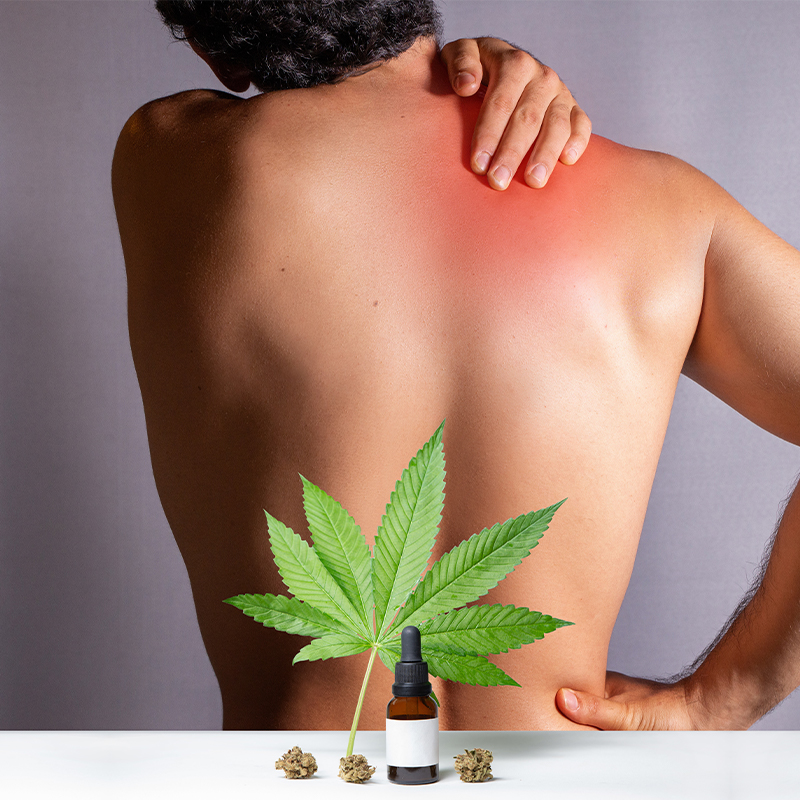
Most participants taking CBD for pain indicated that they got meaningful relief. Just under 90% of participants of this group reported some improvement in the frequency and duration of their pain, with 60% reporting that CBD made these aspects “much better.” Most significant though was CBD’s impact on the perception of pain intensity: Before taking CBD, the average pain score was 6.85; when taking CBD, the average pain score was 2.76, representing a 60% decrease in intensity.
CBD for Sleep
Participants taking CBD for sleep were more likely to report having problems staying asleep than getting to sleep though most people reported having difficulty with both. Participants reported that CBD helped them get to sleep more quickly, reducing the average time from about an hour to 20 minutes. They also reported waking up much less often – 1.4 times per night versus 4.3 or about a third as many times. Without CBD, almost three-quarters of participants reported waking up tired; with CBD, 9% reported waking up tired. The reported improvements in how people reported feeling upon waking is likely explained by improvements in the ability to stay asleep. People taking CBD for sleep were somewhat more likely to also use some THC than the average participant.
CBD for Anxiety, Depression, and Other Mood Disorders
Almost 90% of participants using CBD for a mood disorder reported that they had anxiety. For most, anxiety went hand-in-hand with depression. Participants reported that CBD had significant effect as both an anti-anxiety agent and anti- depressant. It performed especially well at mitigating feelings of nervousness; 92% of participants experienced some relief from this symptom, and 68% reported that feelings of nervousness were “much better” with CBD. CBD also performed well at relieving panic attacks, mitigating mood swings, and quelling feelings of agitation, irritability, and sadness. CBD was less effective at mitigating difficulties concentrating, a lack of interest in activities, and digestive upset; almost a fifth of people report no change in these symptoms. Moreover, 3% of people using CBD for a mood disorder reported that the ability to concentrate worsened with CBD.

CBD for Hormonal Issues
Among people taking CBD for PMS, menopause, or other female hormonal conditions, CBD appears to be highly effective in addressing mood disturbances and pain. It also appears to help mitigate night sweats and, to a lesser degree, hot flashes associated with menopause. CBD was less effective at ameliorating bloating common to menstruation; and it was less effective at mitigating sexual discomfort, low sex drive, and dry skin associated with menopause. About 5% of people reported that their CBD product made PMS-related food cravings worse, an effect that may be attributable to THC’s well-known tendency to cause the “munchies.”
CBD for PTSD
Among people taking CBD for PTSD, CBD appears to be highly effective in addressing a range of symptoms, particularly anxiety, anger, irritability, depression, mood swings, and panic attacks. CBD also appears helpful, though less so, in mitigating unwanted thoughts, nightmares, and heart palpitations in people with PTSD.
CBD for Gastrointestinal (GI) Diseases
Among people taking CBD for GI diseases, particularly IBS (Irritable Bowel Syndrome), CBD appears to be extremely helpful for relieving abdominal cramps or pain, nausea or vomiting, and indigestion. Many participants also found it helpful for fatigue though some found it made them more tired. CBD appears to be less effective at helping people with GI diseases maintain a healthy weight; half of participants in this group reported either no change or a worsening of this symptom.
CBD for ADD/ADHD
Among people with ADD/ADHD, CBD appears most helpful with staying on task, minimizing distractibility, and mitigating agitation or irritability. It appears less effective at minimizing the tendency to lose things and procrastinate (common to ADD/ADHD) and sometimes made those symptoms worse.

CBD for Cancer
Among people taking CBD for cancer, CBD was most helpful with ameliorating nausea and vomiting. Many participants also found it helpful for appetite, neuropathy (numbness or tingling), and weakness. As mentioned earlier, CBD was markedly less likely to help with cancer-related constipation and diarrhea. The most significant side effects were with memory and concentration issues. People taking CBD for cancer were more likely than the average participant to be taking some THC. This may be due to THC’s efficacy as a pain reliever or to well-publicized preclinical data suggesting that both THC and CBD may have tumor-fighting properties.
CBD for Diabetes
Participants taking CBD for diabetes were asked their average blood sugar levels before and after they started taking CBD. Though average blood sugar levels with CBD were still high, they showed significant improvements over the pre-CBD levels, decreasing from 178 to 130 on average. Participants also reported significant improvements in neuropathy-type symptoms (i.e. nerve pain, tingling or numbness), and some improvements in their ability to maintain a healthy weight.
CBD for Alcoholism/Addiction
Among people using CBD for addiction, most (70%) were seeking to abstain from their substance of abuse (as opposed to using less or getting through withdrawal). CBD appeared to be extremely helpful for getting and staying off opiates. This is consistent with observational studies that have noted that many patients voluntarily decrease the number of opiates they are using—or go off opiates completely—when they use them in conjunction with cannabis, as well with animal and preclinical studies suggesting that cannabis and CBD may reduce the risk of relapse.xv CBD was also reportedly helpful for reducing or eliminating alcohol consumption. It was comparatively less helpful as a smoking cessation aid. Twenty-four percent of tobacco users experienced no change, and 4% report using more tobacco after introducing CBD.
CBD for Brain Injury
Among people using CBD for a brain injury (typically a TBI), CBD proved most helpful for relieving headaches, irritability, and agitation. CBD was less helpful for balance issues. In a small percentage of participants, CBD seemed to make issues with memory, concentration, and self- expression worse.