



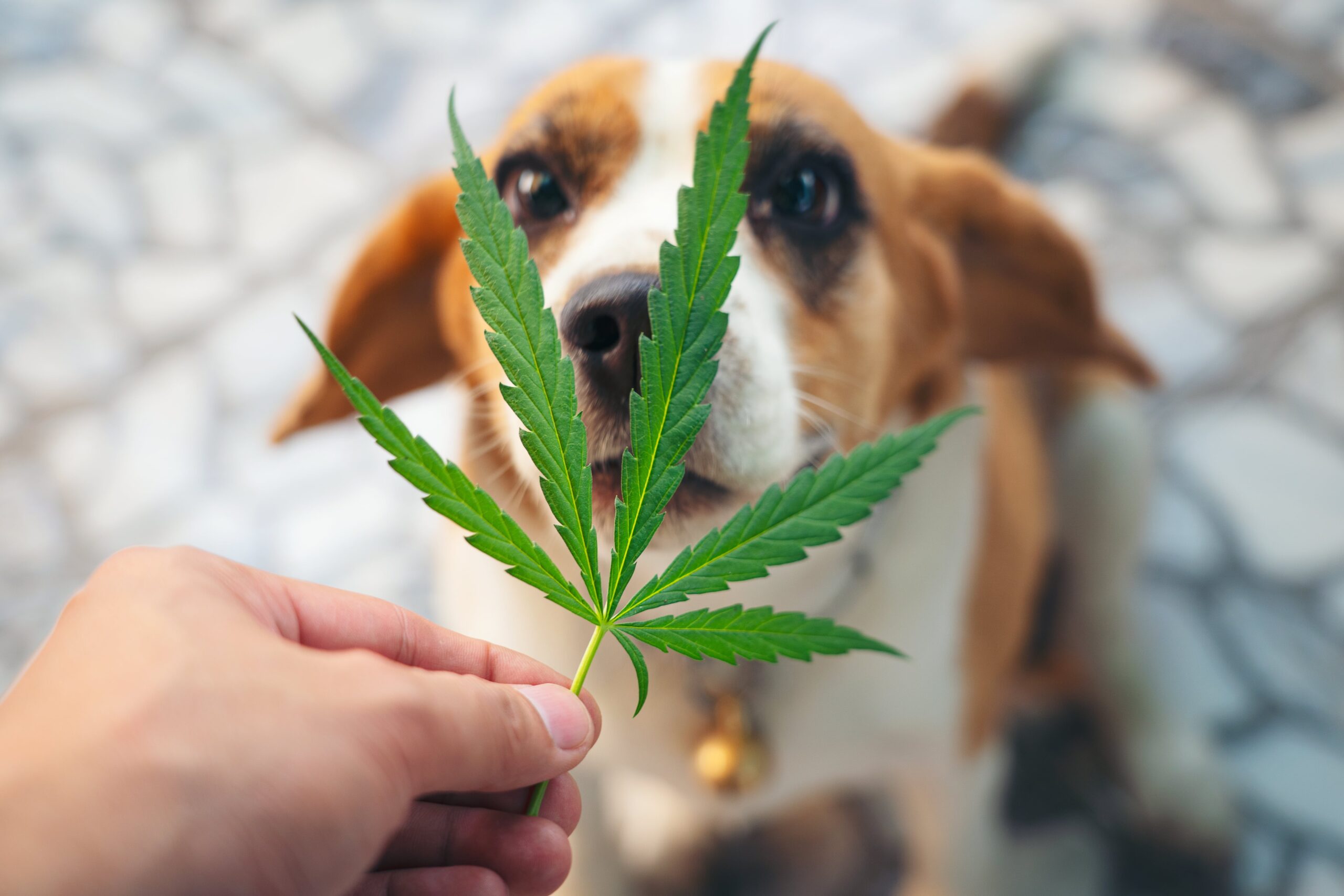
CBD for Dog Aggression: Natural Support for Safer Behavior
Dog aggression represents one of the most challenging behavioral issues facing pet owners today, affecting nearly 4.5 million Americans annually according to CDC bite statistics. Understanding the root causes of aggressive behavior and exploring safe, natural intervention options helps create calmer, more balanced relationships between dogs and their families.
At Crop Processors Inc., we recognize that aggressive behavior stems from complex neurological and environmental factors requiring comprehensive approaches beyond simple training methods. CBD for dog aggression has emerged as a promising complementary therapy that may help address underlying anxiety and fear responses contributing to reactive behaviors.
The science behind cannabidiol’s effects on canine behavior continues evolving through veterinary research and clinical observations. Understanding how CBD interacts with your dog’s nervous system, proper dosing protocols, and quality considerations helps pet owners make informed decisions about incorporating natural calming supplements into comprehensive behavioral modification programs.
What Causes Dog Aggression and Why CBD Is Gaining Ground
Canine aggression rarely develops without underlying triggers that create fear, anxiety, or territorial responses in dogs. Fear-based aggression accounts for approximately 60% of all aggressive incidents, often stemming from inadequate socialization, traumatic experiences, or genetic predispositions that make dogs more reactive to environmental stimuli.
Medical conditions frequently contribute to aggressive behavior changes in previously calm dogs. Pain from arthritis, dental issues, or internal conditions can make dogs more irritable and defensive when approached or touched. Hormonal imbalances, neurological disorders, and sensory impairments also influence behavioral responses that may appear as aggression.
Understanding Fear-Based Reactive Behavior
Fear aggression develops when dogs perceive threats in their environment and lack confidence to handle stressful situations appropriately. These dogs often display warning signals including growling, lip lifting, and body stiffening before escalating to snapping or biting when they feel cornered or overwhelmed.
Resource guarding represents another common form of aggression where dogs protect food, toys, or territory from perceived threats. This behavior often intensifies during stressful periods when dogs feel their security is threatened by environmental changes or competition from other pets.
Territorial aggression emerges when dogs feel responsible for defending their home, yard, or family members from intruders. While some protective instinct is natural, excessive territorial responses can create dangerous situations requiring professional intervention and behavioral modification strategies.
The Growing Interest in Natural Calming Solutions
Traditional aggression treatment often relies heavily on behavioral training, environmental management, and sometimes pharmaceutical interventions that may produce unwanted side effects. Many pet owners seek complementary approaches that support their dog’s emotional balance while working alongside professional training programs.
Does CBD help with dog aggression? Emerging research suggests that cannabidiol may influence neurotransmitter systems associated with anxiety, fear, and stress responses in dogs. These effects could potentially support behavioral modification efforts by helping dogs maintain calmer emotional states during training sessions.
Natural remedies for dog aggression using CBD represent a growing field of veterinary interest, though research remains in early stages. Anecdotal reports from pet owners and some preliminary studies suggest potential benefits, but comprehensive scientific validation requires additional research through controlled clinical trials.
Environmental and Genetic Factors
Genetics play a significant role in determining individual dogs’ predisposition toward aggressive behaviors. Certain breeds were historically developed for protective or fighting purposes, creating genetic tendencies that require careful management through proper socialization, training, and environmental controls.
Early life experiences during the critical socialization period between 3-14 weeks significantly influence adult behavioral patterns. Puppies lacking adequate exposure to various people, animals, and environments during this window may develop fear-based aggression when encountering unfamiliar situations later in life.
Environmental stressors including loud noises, crowded conditions, inconsistent routines, or harsh training methods can trigger aggressive responses in susceptible dogs. Creating calm, predictable environments helps reduce stress triggers while supporting overall behavioral stability and emotional well-being.
How CBD Interacts with a Dog’s Brain to Reduce Aggression
The endocannabinoid system exists in all mammals, including dogs, and plays crucial roles in regulating mood, anxiety, pain perception, and stress responses. This complex network of receptors and neurotransmitters influences how dogs process emotional experiences and react to environmental stimuli.
CBD interacts with cannabinoid receptors CB1 and CB2 located throughout the canine nervous system, potentially influencing serotonin levels and other neurotransmitters associated with mood regulation. These interactions may help modulate fear responses and anxiety levels that contribute to aggressive behaviors in reactive dogs.
Neurochemical Pathways and Behavioral Responses
Serotonin dysfunction often correlates with increased aggression in both humans and animals. CBD’s potential influence on serotonin receptor activity may help stabilize mood and reduce impulsive reactive behaviors that lead to aggressive incidents. This mechanism could explain anecdotal reports of calmer behavior in dogs receiving CBD supplements.
The stress hormone cortisol elevates during threatening situations, preparing dogs for fight-or-flight responses. Chronic stress maintains elevated cortisol levels that can increase irritability and lower behavioral thresholds for aggressive reactions. CBD may help regulate stress response systems, potentially reducing chronic anxiety states.
GABA neurotransmitter activity influences relaxation and anxiety levels in dogs. Some research suggests CBD may enhance GABA function, promoting calmer mental states that could reduce reactive behaviors. However, individual responses vary significantly among dogs based on genetics, health status, and environmental factors.
Timing and Bioavailability Considerations
CBD absorption and metabolism in dogs differs from human processing, requiring specific dosing strategies and timing considerations. Most dogs show initial effects within 30-60 minutes of oral administration, with peak effects occurring 1-3 hours post-dosing depending on the product type and individual metabolism.
Oil-based CBD products typically provide faster absorption compared to treats or capsules that require digestive processing. Sublingual administration under the tongue offers optimal bioavailability, though many dogs resist this method requiring alternative approaches like food mixing or treat incorporation.
Individual factors including body weight, liver function, and concurrent medications influence how quickly dogs metabolize CBD and how long effects persist. Senior dogs or those with compromised liver function may require adjusted dosing schedules to achieve optimal results while minimizing potential side effects.
Research Limitations and Clinical Observations
Current research on CBD for aggressive dogs remains limited, with most evidence coming from veterinary observations and pet owner reports rather than controlled scientific studies. This limitation makes it essential to work with veterinary professionals when considering CBD as part of aggression management protocols.
Will CBD oil help my dog’s aggression? Individual responses vary significantly, and CBD should never replace comprehensive behavioral modification programs led by qualified animal behaviorists or veterinary behaviorists. CBD may serve as a supportive tool within broader treatment approaches rather than a standalone solution.
Ongoing research continues investigating optimal dosing protocols, product formulations, and safety considerations specific to behavioral applications in dogs. As scientific understanding advances, veterinary recommendations for CBD use in aggression management will likely become more standardized and evidence-based.
Common Mistakes When Using CBD for Aggressive Dogs
Many pet owners make critical errors when implementing CBD protocols for aggressive dogs, potentially compromising safety and treatment effectiveness. Understanding these common mistakes helps ensure safer, more successful outcomes while protecting both dogs and their families from unnecessary risks.
Inadequate dosing represents the most frequent error, with owners either using insufficient amounts that provide no benefit or excessive doses that may cause unwanted side effects. Best CBD for dog aggression requires precise dosing based on body weight, severity of behavioral issues, and individual response patterns.
Dosing Errors and Safety Concerns
Starting doses for behavioral issues typically range from 0.2-0.5mg CBD per pound of body weight twice daily. A 50-pound dog would begin with 10-25mg twice daily, gradually increasing every 5-7 days until desired behavioral improvements appear. Conservative starting approaches minimize risks while allowing careful response monitoring.
Product potency variations create significant dosing challenges when owners switch between different CBD products without recalculating appropriate amounts. A 150 mg treat provides very different dosing than 150 mg oil, requiring mathematical adjustments to maintain consistent therapeutic levels.
CBD oil makes dog fear aggression worse in some cases, particularly when combined with stressful training methods or administered during highly reactive episodes. Timing administration during calm periods allows CBD to support baseline anxiety levels rather than attempting to override acute stress responses.
Product Quality and Contamination Risks
Unregulated CBD products may contain harmful contaminants including heavy metals, pesticides, or residual solvents that pose serious health risks for dogs. Additionally, some products contain THC levels exceeding safe limits for canines, potentially causing toxicity symptoms requiring emergency veterinary treatment.
Third-party testing certificates should accompany every CBD product used for dogs, verifying potency accuracy and confirming the absence of dangerous contaminants. Reputable manufacturers provide batch-specific testing results that match product labels and purchase dates.
Generic calming treats often combine CBD with other herbs or compounds that may interact dangerously with medications or create unpredictable effects. Single-ingredient CBD products provide better control and safety compared to complex formulations with multiple active compounds.
Integration with Behavioral Training
CBD treats for dog aggression cannot replace professional behavioral modification training led by qualified animal behaviorists. These supplements may support training efforts by helping dogs maintain calmer emotional states, but they require integration within comprehensive treatment plans addressing underlying causes.
Timing CBD administration around training sessions requires careful planning to optimize benefits while avoiding interference with learning processes. Some dogs benefit from CBD given 1-2 hours before training, while others respond better to consistent daily dosing regardless of training schedules.
Owner expectations often exceed realistic outcomes when using CBD for aggressive dogs. Behavioral changes typically develop gradually over 2-6 weeks of consistent use combined with appropriate training methods. Expecting immediate dramatic improvements may lead to disappointment and treatment abandonment.
Veterinary Consultation Requirements
Can CBD oil help with dog aggression? This question requires professional veterinary assessment to identify underlying medical conditions that may contribute to behavioral issues. Pain, neurological disorders, or hormonal imbalances often require specific medical treatments beyond CBD supplementation.
Medication interactions between CBD and prescription drugs used for behavioral or medical conditions can create dangerous complications. Veterinary oversight ensures safe combinations and appropriate dosing adjustments when multiple treatments are necessary.
Emergency planning becomes essential when working with aggressive dogs, as behavioral interventions may initially increase stress levels before improvements occur. Veterinary professionals help develop safety protocols protecting family members while supporting the dog through treatment transitions.
Why Crop Processors Is the Trusted Choice for CBD Dog Products
At Crop Processors Inc., our commitment to pet safety drives every aspect of our CBD product development and manufacturing processes. We understand that dogs with aggressive tendencies require the highest quality, most consistent products available to support their behavioral health while protecting family safety.
Our hemp cultivation practices eliminate pesticides, heavy metals, and other contaminants that could compromise your dog’s health or interfere with behavioral treatment progress. From seed selection through final packaging, we maintain strict quality controls ensuring that every product meets veterinary-grade standards for purity and potency.
Advanced Testing and Quality Assurance
Every batch of our pet CBD products undergoes comprehensive third-party testing that exceeds industry standards for safety and consistency verification. Our testing protocols include potency verification, heavy metal screening, pesticide residue analysis, and microbial contamination assessment to ensure complete product safety.
We maintain complete transparency by providing detailed certificates of analysis for every product batch, allowing pet owners and veterinary professionals to verify the safety and quality of products used in behavioral treatment protocols. This transparency builds trust while supporting informed decision-making.
Ready to explore how premium CBD products can support your dog’s behavioral health journey? Contact Crop Processors Inc. today to learn more about our veterinary-informed approach to pet CBD and discover why animal care professionals trust our commitment to quality, safety, and effectiveness in supporting calmer, more balanced behavior in dogs with aggressive tendencies.




0 Comments