



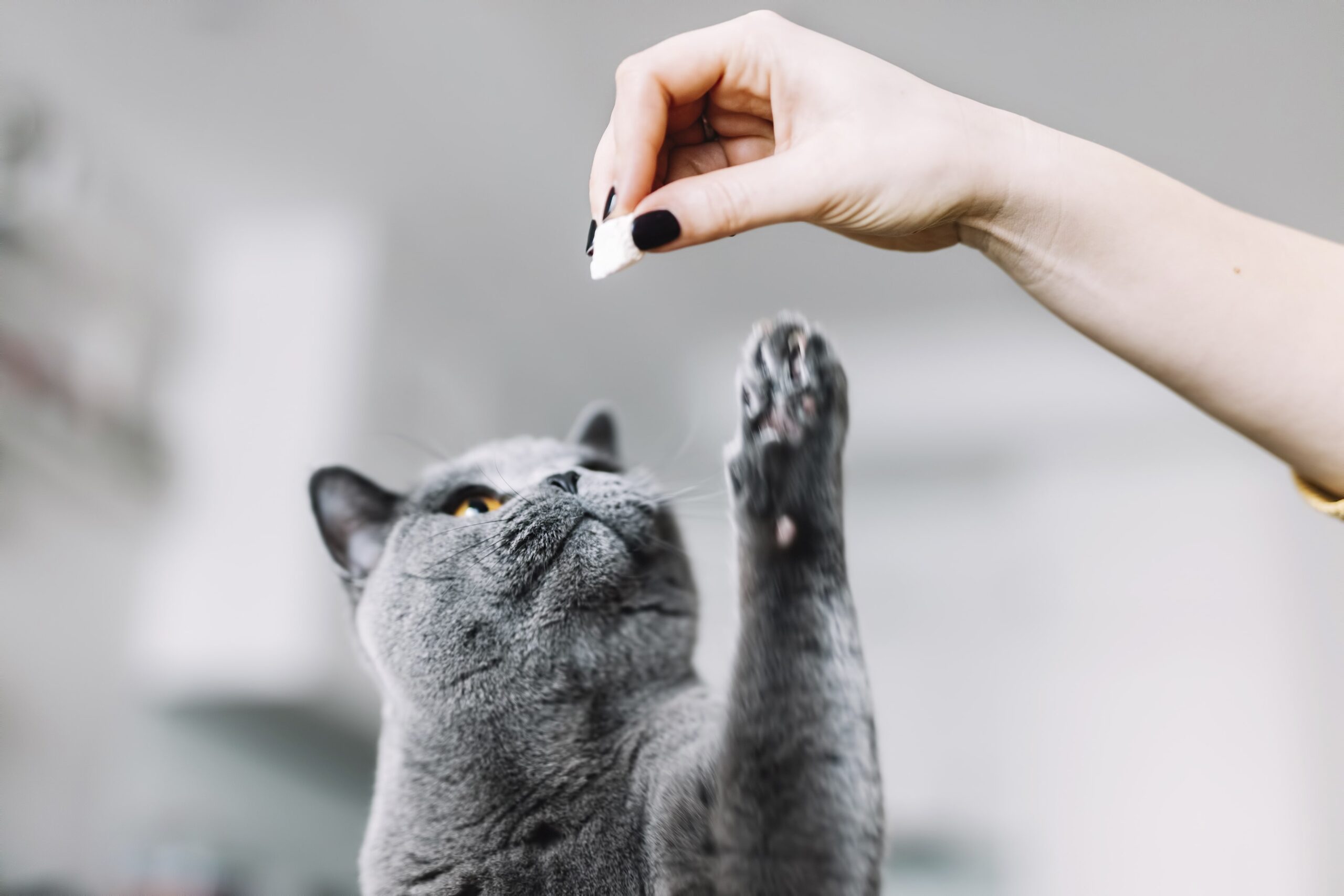
CBD for Cats: A Complete Guide to Feline Wellness
What Is CBD for Cats and How Does It Work?
Cannabidiol, commonly known as CBD, is a naturally occurring compound found in the hemp plant. Unlike its cousin THC, CBD doesn’t produce psychoactive effects, making it a safe option for our feline friends. When considering CBD for cats, it’s crucial to understand how this plant-derived compound interacts with their bodies.
The Endocannabinoid System in Cats
Cats, like humans and other mammals, possess an endocannabinoid system (ECS). This complex network of receptors spans throughout their body, influencing various physiological processes including mood, pain sensation, immune response, and sleep patterns. The ECS plays a vital role in maintaining internal balance, or homeostasis, in your cat’s body.
This regulatory system consists of cannabinoid receptors (primarily CB1 and CB2), endocannabinoids produced naturally by the body, and enzymes that break down these compounds. When functioning optimally, the ECS helps keep your cat’s bodily systems in harmony. However, factors like age, stress, or illness can disrupt this balance.
How CBD Interacts with Your Cat’s Body
The interaction with the endocannabinoid system forms the foundation of how CBD works in cats. When administered, CBD interacts with the ECS receptors, potentially promoting a calming effect. Unlike conventional medications that may target just one pathway, CBD’s wide-ranging interaction affects multiple systems simultaneously.
CBD primarily influences the CB1 receptors found abundantly in the brain and central nervous system, as well as CB2 receptors prevalent in the peripheral tissues and immune cells. This dual-action approach explains why CBD may offer various benefits for cats experiencing different conditions, from anxiety to inflammation.
Research suggests that rather than binding directly to receptors, CBD works indirectly by preventing the breakdown of the cat’s naturally produced endocannabinoids. This allows these beneficial compounds to remain active in the body longer, potentially enhancing their positive effects on your feline companion’s health and wellbeing.
Potential Benefits of CBD for Cats
Many cat owners turn to CBD when conventional treatments haven’t provided sufficient relief. The potential benefits of CBD oil for cats include several aspects of feline health, supported by both anecdotal evidence and preliminary scientific research. Let’s explore these benefits in detail.
Anxiety and Stress Relief
Cats often experience anxiety from environmental changes, separation, travel, or unfamiliar situations. CBD’s interaction with serotonin receptors may help regulate mood and stress responses. The calming effect of CBD can potentially reduce anxiety-related behaviors like excessive vocalization, inappropriate elimination, or destructive scratching.
For cats with chronic anxiety issues, CBD might offer a natural alternative without the sedative effects of conventional medications. Many cat owners report noticeable improvements in their pets’ demeanor within 30-60 minutes of administration. This may help cats cope better with stressful situations like thunderstorms, fireworks, or veterinary visits.
Pain Management and Anti-inflammatory Effects
One of the most promising applications of CBD involves its anti-inflammatory properties. Cats suffering from conditions like arthritis, pancreatitis, or inflammatory bowel disease might benefit from CBD’s ability to modulate inflammatory responses. By potentially reducing inflammation, CBD may help alleviate associated pain and discomfort.
Senior cats particularly benefit from these properties as they frequently experience age-related joint inflammation. CBD may help improve mobility and comfort, allowing older cats to engage more actively in daily activities. The compound’s interaction with vanilloid receptors, which play a key role in pain perception, might explain its analgesic properties.
Appetite Stimulation and Digestive Support
Loss of appetite in cats can stem from various issues including illness, stress, or medication side effects. Some cat owners have found that CBD helps stimulate appetite in finicky eaters or cats recovering from illness. This effect may relate to CBD’s potential to reduce nausea and promote digestive comfort.
For cats with sensitive stomachs or digestive disorders, CBD might help regulate gastrointestinal function. Its anti-inflammatory properties could potentially reduce intestinal inflammation, while its anxiolytic effects might alleviate stress-related digestive issues. However, always consult your veterinarian before using CBD for appetite-related problems, as loss of appetite can indicate serious medical conditions.
Understanding Different Types of CBD Products
When exploring CBD for your feline friend, you’ll encounter various product types. Understanding these differences helps ensure you select the most suitable option for your cat’s specific needs and preferences.
Full Spectrum vs. Broad Spectrum vs. Isolate
Full spectrum CBD oil contains all hemp plant compounds, including beneficial cannabinoids, terpenes, flavonoids, and up to 0.3% THC. This formulation leverages the “entourage effect,” where compounds work synergistically to enhance therapeutic benefits. Many experts believe organic full spectrum options provide optimal results for cats with complex conditions.
Broad spectrum products offer similar benefits without THC, making them suitable for particularly sensitive cats. CBD isolate contains only pure cannabidiol without other hemp compounds. While isolates guarantee zero THC, they may not provide the comprehensive benefits of full spectrum formulations. Consider your cat’s sensitivity and specific health needs when choosing between these options.
The Importance of THC Content Below 0.3%
Legal hemp-derived CBD products must contain less than 0.3% THC, the psychoactive component of cannabis. This trace amount is insufficient to cause intoxication but may contribute to the entourage effect. Cats are particularly sensitive to THC, so maintaining this low threshold is essential for safety.
Always verify THC content through third-party lab reports when selecting a CBD product for your cat. Reputable manufacturers clearly display this information on their packaging or website. Products exceeding the 0.3% THC limit are not legally classified as hemp products and may pose risks to your cat’s health and wellbeing.
How to Safely Choose the Right CBD Products for Your Cat
Selecting safe, high-quality CBD products requires careful consideration. With the market flooded with options, knowing what to look for ensures you provide the best for your feline companion.
Quality Indicators to Look For
When shopping for CBD for cats, prioritize organic, pesticide-free hemp sources. Pesticides and chemicals can concentrate during extraction, potentially harming your cat. Extraction method also matters significantly – CO2 extraction produces the purest CBD without harmful solvent residues.
A reputable company will always provide comprehensive third-party testing results. These tests verify cannabinoid content, potency, and confirm the absence of contaminants like heavy metals, pesticides, and microbial impurities. Transparency about sourcing and manufacturing processes indicates a trustworthy CBD producer committed to quality.
Look for cat-specific formulations rather than human CBD products. Properly formulated cat CBD considers feline metabolism and preferences, often including cat-friendly carriers and flavors like bacon that make administration easier. Avoid products containing additives, artificial flavors, or unnecessary ingredients that might irritate your cat’s sensitive system.
Reading Lab Reports and Certificates
Third-party lab reports, also called Certificates of Analysis (COAs), provide crucial verification of a product’s quality and safety. These documents should be easily accessible on the manufacturer’s website or through a QR code on the packaging. Current reports dated within the past year indicate ongoing quality control.
When reviewing these reports, check that the CBD concentration matches what’s advertised on the label. Verify that THC levels remain below 0.3%, especially important for cats who are sensitive to its effects. Examine the contaminant testing section to ensure the product is free from pesticides, heavy metals, microbes, and residual solvents.
The cannabinoid profile indicates whether you’re purchasing a full spectrum, broad spectrum, or isolated product. Full spectrum products show multiple cannabinoids including CBD, CBG, and CBC. Understanding these profiles helps you select products aligned with your cat’s specific health needs and ensures you’re getting what you pay for.
Recommended Dosage for Cats
Determining the appropriate amount of CBD for your cat requires careful consideration of several factors. Since cats are sensitive to supplements, proper dosing is crucial for safety and effectiveness.
Determining the Right Amount of CBD
When introducing CBD to your cat, consider their weight as the primary dosing factor. Most veterinary experts suggest starting with 0.1-0.5mg of CBD per kilogram of body weight. For a typical 4kg (9lb) cat, this translates to 0.4-2mg of CBD per dose. Always check the product’s concentration to calculate how many drops deliver this amount.
Your cat’s specific condition also influences dosing requirements. Mild issues like occasional anxiety might respond to lower doses, while chronic pain or severe conditions might require higher amounts within the safe range. Remember that each cat responds individually to CBD, making personalized dosing essential.
The CBD product’s potency significantly impacts dosing calculations. Products vary widely in concentration, from 150mg to 1000mg+ per bottle. For cats, lower concentration products often prove more practical, allowing precise dose adjustments. Always check the product label for the mg of CBD per ml or per drop to ensure accurate administration.
Starting Low and Gradually Increasing
The golden rule of CBD administration for cats follows the “start low and go slow” approach. Begin with the lowest recommended dose and observe your cat’s response over several days before considering any adjustment. This cautious method helps minimize the risk of side effects while identifying the effective dose.
If you don’t observe the desired effects after a week at the initial dose, you can gradually increase the amount. Make small increments of approximately 1mg every few days while monitoring your cat closely for both positive effects and any adverse reactions. Most cats find their optimal dose between 1-4mg per day, depending on their size and condition.
Document your cat’s response in a simple journal, noting the dose given and any changes in symptoms or behavior. This record helps identify patterns and the ideal dosage for your specific cat. Once you find an effective dose that produces benefits without side effects, maintain this amount for consistent results.
Tips for Giving CBD to Cats
Administering CBD to cats can challenge even the most experienced pet owners. Felines’ discerning palates and potential resistance to new substances require strategic approaches for successful treatment.
Administration Methods
Direct oral administration offers the most efficient CBD delivery method. Using the dropper, gently place the oil directly onto your cat’s gums or under their tongue for optimal absorption. This method allows the CBD to enter the bloodstream rapidly through the oral mucosa, bypassing the digestive system for faster effects.
For resistant cats, mixing CBD oil with wet food or treats provides an alternative approach. Choose small portions of highly palatable food to ensure complete consumption. However, note that this method may delay and slightly reduce effectiveness as the CBD must process through the digestive system first.
Some cats accept CBD-infused treats readily, providing a convenient administration option. When selecting premade CBD treats, verify the dosage per treat matches your cat’s needs and ensure the product contains high-quality CBD. This method works well for maintenance dosing but may be less precise for condition-specific treatment.
Making the Experience Positive
Create positive associations by offering affection and treats immediately after CBD administration. This reward-based approach helps your cat develop neutral or even favorable responses to future doses. Maintain a calm demeanor during administration, as cats readily sense and respond to human anxiety.
Establish a consistent routine for administering CBD, ideally during calm periods when your cat feels relaxed. Scheduling doses with regular daily activities creates predictability that many cats find reassuring. Morning or evening administration works well for many cat owners, depending on when their cat seems most receptive.
Consider warming the oil slightly to room temperature before administration, as cold oil may surprise or unsettle your cat. Handle your cat gently during the process, ensuring they feel secure rather than restrained. For particularly resistant cats, specialized pet medicine administering tools can help deliver precise doses with minimal stress.
Potential Side Effects and Safety Considerations
While CBD offers promising benefits, responsible cat owners should understand potential adverse effects. Staying informed allows you to monitor your cat appropriately and ensure their safety during CBD treatment.
Common Side Effects to Watch For
Most cats tolerate CBD well, but some may experience mild side effects, particularly when first starting treatment. Drowsiness ranks among the most common reactions, especially at higher doses. Some cats may seem more lethargic than usual during the initial adjustment period as their bodies adapt to CBD’s relaxing effects.
Digestive changes occasionally occur and may include slight diarrhea or changes in appetite. These effects typically resolve as your cat’s system adjusts to the supplement. Excessive drooling sometimes happens immediately after oral administration due to CBD’s bitter taste rather than any concerning reaction.
Rarely, some cats might display increased anxiety or agitation rather than the expected calming effect. This paradoxical reaction usually indicates the dose may be too high. Monitor your cat closely after starting CBD, particularly during the first few days, and contact your veterinarian if you notice any concerning or persistent changes in behavior or physical condition.
When to Consult Your Veterinarian
Before starting CBD, consult your veterinarian, especially if your cat takes other medications. CBD may interact with certain drugs by affecting liver enzymes that metabolize medications. This interaction could potentially alter drug effectiveness or increase side effects. Your vet can provide guidance specific to your cat’s medical history.
Discontinue CBD use and seek immediate veterinary attention if your cat exhibits symptoms like extreme lethargy, vomiting, incoordination, or any unusual behaviors after administration. While severe reactions are rare, prompt medical evaluation ensures your cat’s safety. Always bring the product packaging and information to veterinary appointments.
Cats with liver or kidney disease require special consideration before using CBD products. These organs process and eliminate CBD from the system, so compromised function could affect how your cat metabolizes the compound. Your veterinarian can advise whether CBD represents an appropriate option based on your cat’s specific health status.
Research and Scientific Evidence
The scientific understanding of CBD’s effects on cats continues to evolve. While research specifically focused on felines remains limited compared to studies on humans and dogs, emerging evidence provides valuable insights.
Current Studies on CBD for Cats
Recent veterinary research has begun exploring CBD’s effects on feline health more systematically. Studies suggest that CBD may help manage certain conditions in cats, though most investigations remain preliminary. Research has focused particularly on CBD’s potential for managing pain, inflammation, and anxiety in domestic cats.
A noteworthy Colorado State University study examined pharmacokinetics—how cats’ bodies process CBD—finding that felines metabolize cannabinoids differently than dogs. This research highlighted the importance of cat-specific dosing rather than adapting protocols from other species. Scientists noted that cats might require lower doses due to their unique metabolism.
Cornell University researchers have investigated CBD’s safety profile in cats, documenting minimal side effects when administered at appropriate doses. These studies have helped establish preliminary safety guidelines for feline CBD use. However, researchers consistently emphasize the need for more comprehensive clinical trials to understand long-term effects and optimal treatment protocols.
What Veterinarians Say About CBD
Many veterinarians acknowledge CBD’s potential benefits while maintaining cautious optimism pending more conclusive research. The veterinary community generally agrees that anecdotal evidence suggests promise for managing certain conditions, particularly chronic pain, anxiety, and inflammation in cats.
Holistic veterinary practitioners often express more openness toward CBD as part of an integrative treatment approach. These professionals frequently report positive clinical observations when incorporating CBD into treatment plans for appropriate cases. They emphasize the importance of high-quality products and proper dosing protocols.
Veterinary regulatory bodies maintain conservative positions due to limited feline-specific research. This creates a challenging situation where pet owners increasingly seek guidance while veterinarians navigate evolving evidence and regulations. Most veterinarians recommend open communication about CBD use and emphasize collaborating on monitoring your cat’s response to ensure safety and effectiveness.
Crop Processors: Your Trusted Source for Cat CBD
When seeking quality CBD products for your feline companion, the manufacturer’s reputation and standards matter tremendously. Crop Processors stands out as an industry leader committed to exceptional quality and feline wellbeing.
Our Commitment to Quality and Safety
At Crop Processors, we understand that your cat deserves nothing less than the purest, safest CBD products available. Our commitment begins with premium organic hemp cultivation under strictly controlled conditions. We prioritize sustainable farming practices that yield exceptional hemp while respecting environmental health.
Our advanced processing methods ensure maximum potency and bioavailability, delivering consistent, reliable results you can trust. Every batch undergoes comprehensive third-party testing for potency, purity, and safety. We readily share these laboratory reports, providing complete transparency about what goes into our products and your cat’s body.
We formulate our feline CBD products specifically for cats’ unique biology and preferences. Our development team includes veterinary consultants who provide insights into feline physiology and optimal delivery methods. This specialized approach ensures our products address cats’ specific needs rather than simply adapting human or canine formulations.
Our Bacon-Flavored CBD Oil for Pets
Our flagship product for feline companions, the Bacon-Flavored CBD Oil (500mg), exemplifies our commitment to both effectiveness and palatability. This thoughtfully crafted formula contains 500mg of premium CBD in a 30ml bottle, providing flexible dosing options for cats of various sizes and needs.
We’ve infused this powerful formula with an irresistible bacon flavor that appeals to even the pickiest feline palates. This careful flavoring makes administration significantly easier, reducing stress for both cats and their owners. The convenient dropper allows precise dosing based on your cat’s specific requirements.
This versatile product helps address multiple feline concerns including anxiety, inflammation, and general wellness maintenance. Whether supporting a senior cat with joint discomfort or helping a nervous kitty through stressful situations, our bacon-flavored CBD oil provides gentle yet effective support without harsh side effects.
Conclusion: Supporting Your Cat’s Journey with CBD
As cat owners seeking the best for our feline companions, we constantly explore ways to enhance their health and happiness. CBD represents a promising option worth considering as part of a comprehensive wellness approach.
The potential benefits of CBD for cats range from anxiety relief to pain management, potentially improving their quality of life significantly. While research continues to evolve, many cat owners report meaningful improvements in their pets’ wellbeing when using high-quality CBD products appropriately.
At Crop Processors, we’re committed to supporting your cat’s wellness journey with premium CBD products specifically formulated for feline needs. Our Bacon-Flavored CBD Oil (500mg) offers a convenient, palatable option for cats of all ages and conditions. We invite you to explore how our thoughtfully crafted products might benefit your beloved companion.
Ready to see how CBD might help your cat? Visit our website at cropprocessors.com to learn more about our premium pet CBD products and take advantage of our current promotions. Your cat’s wellness journey deserves the best support available – we’re here to help every step of the way.



0 Comments