



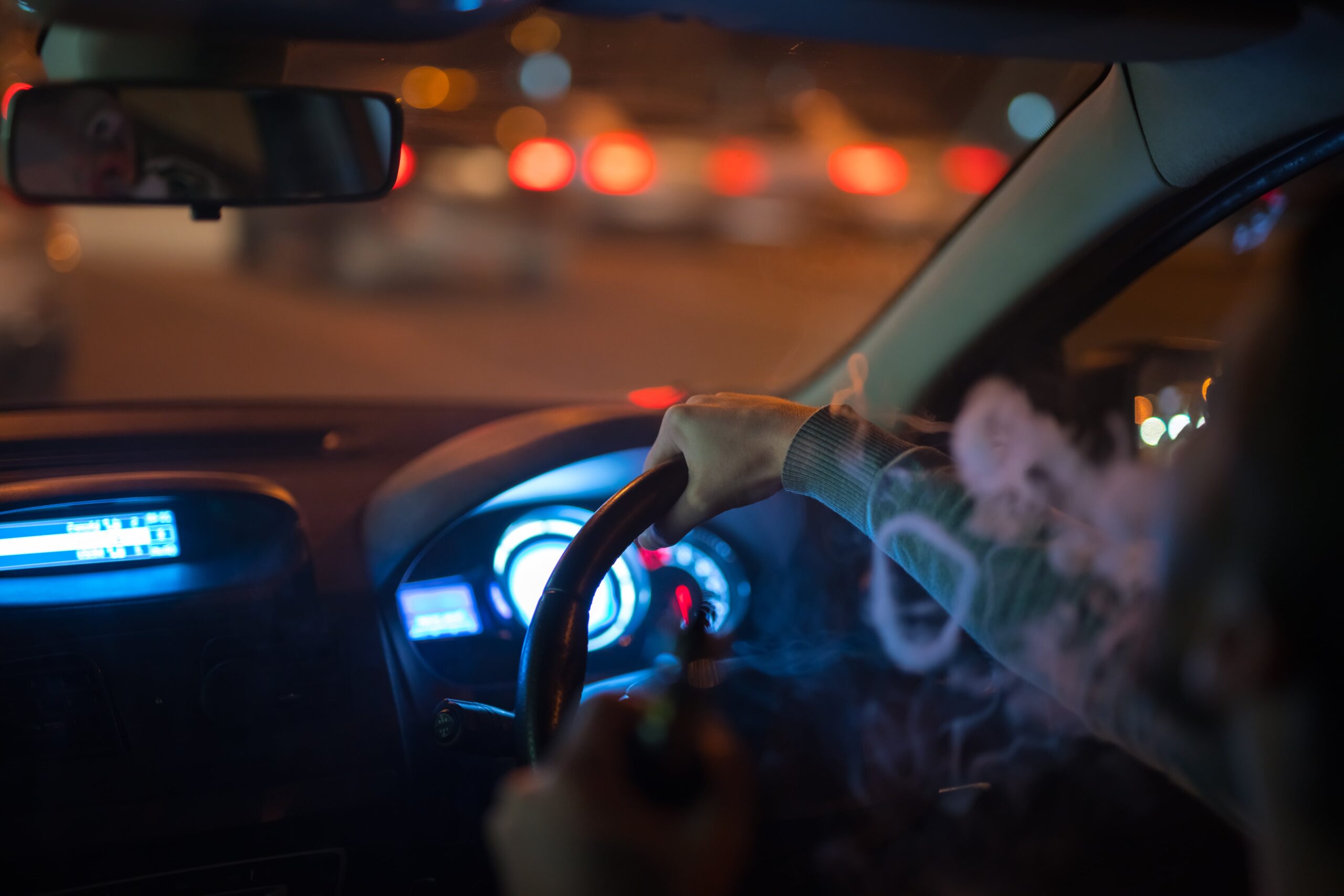
Driving on CBD: What You Need to Know for Safety & Legality
s a dedicated team member at Crop Processors who works with CBD products daily, I often hear one question from concerned customers: “Can you drive on CBD?” It’s a valid concern, especially since CBD has become a daily wellness supplement for millions of Americans seeking natural solutions for various health issues.
The relationship between CBD and driving safety deserves a thorough examination. Many people rely on CBD for its potential benefits, including anxiety relief, but remain uncertain about how it might affect their driving ability. This comprehensive guide will address your concerns with science-backed information.
Understanding CBD and Its Effects on Driving
Cannabidiol (CBD) is a non-intoxicating compound derived from the cannabis plant. Unlike its cousin tetrahydrocannabinol (THC), CBD doesn’t produce the “high” sensation associated with marijuana. This fundamental difference is crucial when discussing whether you can safely operate a vehicle after using CBD products.
CBD works by interacting with your body’s endocannabinoid system, which helps regulate numerous physiological functions. These interactions potentially offer various therapeutic benefits without significantly altering cognitive functions that are essential for safe driving performance.
What is CBD and How Does It Work?
CBD is one of over 100 cannabinoids found in cannabis plants. The 2018 Farm Bill federally legalized hemp-derived CBD containing no more than 0.3% THC. This legislation created a clear distinction between hemp and marijuana, removing hemp-derived products from the list of controlled substances.
When consumed, CBD interacts with receptors throughout your body. Unlike THC, it doesn’t bind directly to CB1 receptors in your brain that cause intoxication. Instead, it works indirectly on multiple systems, explaining why CBD typically doesn’t impair driving in the same way as THC-dominant cannabis products.
Differentiating Between CBD and THC
Understanding the difference between CBD and THC is essential when considering driving safety. THC is the primary psychoactive compound in cannabis that can significantly impair driving ability through its effects on reaction time, coordination, and judgment.
CBD lacks these intoxicating properties. Most research indicates that pure CBD doesn’t negatively impact psychomotor or cognitive functions critical for safe driving. However, this assumes the product contains only trace amounts of THC or none at all, as required by federal regulations.
The Science Behind CBD’s Impact on Driving Ability
Several scientific studies have examined the effect of CBD on driving performance. Most research suggests that CBD alone doesn’t significantly impair driving ability when taken at standard doses. This contrasts sharply with THC, which has demonstrated measurable negative effects on simulated driving tests.
The Food and Drug Administration has approved one CBD-based medication, suggesting recognition of its relatively benign side effect profile. However, individual responses to CBD can vary based on factors like dosage, body chemistry, and product formulation.
Research Studies on CBD and Driver Performance
Recent research using advanced driving simulators found that CBD administration alone didn’t significantly impair driving performance. Participants taking CBD showed similar results to those given placebos in measures of lane position, speed maintenance, and reaction time.
One notable study published in the Journal of the American Medical Association found that while THC-dominant cannabis produced measurable impairment in simulated driving, CBD-dominant preparations did not affect driving performance compared to placebo. This research supports the notion that CBD alone doesn’t substantially affect driving ability.
Comparing CBD to Other Substances That Affect Driving
Unlike alcohol or THC, CBD doesn’t typically cause impairment that would make driving dangerous. In fact, some research suggests CBD might counteract certain THC-induced impairments, though this doesn’t mean combining the two substances is safe for driving.
Common substances like antihistamines, sleep medications, and even some prescription drugs often carry stronger warnings about driving than CBD. However, this comparison doesn’t automatically make CBD safe in all circumstances, as individual reactions can vary considerably.
Does CBD Impair Your Ability to Drive?
The current scientific consensus suggests that pure CBD doesn’t significantly impair driving ability for most people. However, this comes with important caveats and considerations that every CBD user should understand before getting behind the wheel.
The lack of substantial impairment doesn’t guarantee complete safety in all situations. Factors like dosage, individual sensitivity, product quality, and potential interactions with other medications all play important roles in determining how CBD might affect your specific driving experience.
CBD’s Effects on Coordination and Reaction Time
Research indicates that standard doses of CBD don’t typically affect coordination or reaction time. This differs significantly from THC, which has been shown to slow reaction times and impair motor coordination – both crucial skills for safe driving.
Some users report mild drowsiness from CBD, particularly at higher doses. While this potential side effect doesn’t affect everyone, it’s something to be mindful of before driving. If you’re trying CBD for the first time, it’s wise to assess how your body responds before operating a vehicle.
Factors That Determine How CBD Might Affect Your Driving
Several factors influence how CBD might affect your driving ability. The dose of CBD matters significantly – higher amounts are more likely to cause drowsiness than smaller doses. Product type also matters, as full-spectrum CBD contains small amounts of THC that could potentially accumulate.
Your individual body chemistry plays a crucial role too. Factors like metabolism, body weight, tolerance, and even genetics can influence how CBD affects you. These personal variations explain why some people report feeling perfectly alert after taking CBD while others experience relaxation or sleepiness.
Legal Considerations for Driving on CBD
While CBD may not significantly impair driving for most people, legal considerations remain complex. CBD’s legal status has evolved rapidly, creating a patchwork of regulations that can confuse consumers trying to determine if they can drive under the influence of CBD products.
It’s important to understand that even if CBD doesn’t impair you, legal complications could arise depending on your location, the specific product you’ve used, and law enforcement procedures in your area.
Federal and State Laws Regarding CBD Use
The 2018 Farm Bill legalized hemp-derived CBD containing no more than 0.3% THC at the federal level. However, this doesn’t automatically make driving on CBD legal in all situations, as states maintain their own laws regarding cannabis derivatives and driving regulations.
Some states have zero-tolerance policies for any amount of THC in your system while driving, which could potentially create legal issues even with federally compliant products. These laws often don’t distinguish between recent use and impairment, meaning even unimpaired drivers could face penalties.
Understanding the 2018 Farm Bill and CBD Legality
The 2018 Farm Bill removed hemp-derived CBD from the controlled substances list when it contains 0.3% THC or less. This legislation represented a major shift in federal policy, opening the door for legal CBD products nationwide.
However, the law doesn’t specifically address driving while using CBD. Law enforcement lacks standardized testing methods to determine CBD levels or distinguish between CBD and THC metabolites. This gray area creates uncertainty for drivers who use CBD regularly.
Can You Drive on CBD Products Containing Trace THC?
Many CBD products contain trace amounts of THC while remaining below the federal limit of 0.3%. These small amounts typically don’t cause impairment, but they raise important considerations for driving safety and legal compliance that consumers should understand.
Regular use of full-spectrum CBD products could theoretically cause THC to accumulate in your system over time. While unlikely to cause impairment, this accumulation could potentially lead to positive drug tests that might complicate driving situations.
Full Spectrum vs. CBD Isolate Products
Full-spectrum CBD products contain all compounds naturally found in the cannabis plant, including small amounts of THC (under 0.3%). These products deliver what’s known as the “entourage effect,” where multiple cannabis compounds work together for enhanced benefits.
CBD isolate products contain only pure cannabidiol with no THC. For those concerned about driving, CBD isolate might offer more peace of mind by eliminating the THC variable entirely. However, many users find full-spectrum products more effective for their wellness needs.
The 0.3% THC Threshold and Driving Concerns
The federal threshold of 0.3% THC is designed to prevent psychoactive effects while allowing beneficial hemp compounds. This small amount typically doesn’t impair driving performance in most people, but individual sensitivity varies.
Some sensitive individuals might experience mild effects from even these trace amounts of THC. Additionally, consuming larger quantities of full-spectrum CBD products could theoretically lead to higher THC exposure than expected, though still unlikely to reach impairing levels.
Will CBD Show Up on a Drug Test While Driving?
One common concern about CBD use and driving involves potential drug testing. Standard roadside drug tests look for THC metabolites, not CBD itself. However, even legally compliant CBD products could potentially trigger a positive result depending on several factors.
This creates a challenging situation for CBD users who drive. Even if you’re not impaired, testing positive for THC during a traffic stop could lead to legal complications that might be difficult to resolve even with proof of legal CBD use.
How Drug Tests Detect CBD vs. THC
Standard drug tests used in roadside testing typically target THC metabolites rather than CBD. Pure CBD shouldn’t trigger a positive result on these tests. However, full-spectrum CBD products containing legal amounts of THC might potentially cause a positive result in some circumstances.
The testing technology used by law enforcement generally can’t distinguish between THC from federally illegal marijuana and THC from legal hemp-derived CBD products. This limitation creates a significant gray area for drivers who use CBD products containing trace THC amounts.
Legal Implications of Testing Positive While Driving
Testing positive for THC while driving could potentially lead to a DUI charge in many jurisdictions, even if you’re not actually impaired. This occurs because many states have per se laws that criminalize driving with any detectable amount of THC in your system.
These legal challenges highlight why some CBD users prefer isolate products before driving. The absence of THC provides greater legal protection against potential false positives that could otherwise lead to unwarranted legal complications despite responsible CBD use.
Tips for Safe Driving After Taking CBD
If you’re considering using CBD and driving, several practical precautions can help ensure both safety and legal compliance. Being thoughtful about your CBD routine in relation to your driving schedule can prevent potential problems before they arise.
Remember that safety should always be your priority. If you notice any unusual effects from CBD, regardless of what research suggests about its general safety profile, the responsible choice is to avoid driving until you better understand how the product affects you personally.
Proper Dosage Considerations
Start with lower doses of CBD, especially when you need to drive. Lower doses are less likely to cause any side effects that might affect driving ability, such as drowsiness or relaxation that could impact focus.
Be especially cautious with high-potency products or if you’re increasing your dosage. Any time you change your CBD routine, take time to assess how the new regimen affects you before assuming it won’t impact your driving performance.
Timing Your CBD Consumption Before Driving
Consider timing your CBD intake around your driving schedule. Taking CBD several hours before driving gives your body time to process the compound and lets you evaluate any effects before getting behind the wheel.
Evening use of CBD for sleep may be preferable if you have concerns about daytime driving. This approach allows you to experience CBD’s potential benefits without introducing uncertainty about how it might affect your morning commute or daytime driving responsibilities.
Responsible CBD Use for Drivers: Our Recommendations
At Crop Processors, we believe in empowering consumers with knowledge for making responsible choices. While research suggests CBD alone doesn’t significantly impair driving ability, we still recommend a cautious and informed approach for anyone who drives regularly.
Individual experiences with CBD vary widely. What works perfectly for one person might affect another differently. This individualized nature of CBD effects means personal assessment is crucial for safety when combining CBD use with driving.
Signs You Should Not Drive After Taking CBD
Pay attention to how you feel after taking CBD. If you experience noticeable drowsiness, dizziness, blurred vision, or difficulty concentrating, don’t drive. These symptoms, while uncommon with standard CBD doses, indicate your body’s particular response might affect driving safety.
New CBD users should be especially cautious. Give yourself time to understand how your body responds to CBD before combining it with driving. This responsible approach prevents putting yourself in potentially unsafe situations while your body adjusts to the compound.
Alternative Transportation Options
If you’re uncertain about how a new CBD product or dosage might affect you, consider alternative transportation options. Rideshare services, public transportation, or carpooling provide safe alternatives when you’re not completely confident about driving after CBD use.
Some users prefer taking CBD after reaching their destination or once they’re home for the day. This approach eliminates any concerns about driving while allowing you to potentially benefit from CBD’s effects during non-driving hours.
Why Choose Crop Processors for Quality CBD Products
At Crop Processors, we prioritize quality and safety in every product we create. Our rigorous testing and quality control processes ensure that our CBD products contain exactly what the label says – nothing more, nothing less. This precision is especially important for consumers concerned about driving.
We believe transparency builds trust. That’s why we provide comprehensive certificates of analysis for all our products, allowing you to verify exact cannabinoid content. This information helps you make informed decisions about using our products in relation to your driving habits.
Our Commitment to Third-Party Testing and Transparency
Every Crop Processors product undergoes comprehensive third-party testing by independent laboratories. These tests verify cannabinoid content, confirming CBD levels and ensuring THC remains below the legal limit of 0.3%. We also test for contaminants like pesticides, heavy metals, and residual solvents.
This rigorous testing process ensures you receive precisely what you expect from our products. For those concerned about driving, this consistency and transparency provide peace of mind that you’re not inadvertently consuming more THC than expected.
Products Designed with Driver Safety in Mind
We offer a range of CBD isolate products specifically formulated for customers concerned about THC content. These products contain zero THC while delivering all the potential benefits of pure cannabidiol, making them excellent options for regular drivers.
Our product labels clearly indicate whether items are full-spectrum or isolate formulations. This clear labeling helps you select the most appropriate option based on your lifestyle needs, including your personal driving considerations and potential drug testing concerns.
Final Verdict: Can You Legally and Safely Drive on CBD?
Based on current scientific evidence, pure CBD doesn’t appear to significantly impair driving ability for most people when taken at standard doses. The legal landscape has also evolved to distinguish hemp-derived CBD from controlled substances, though some legal gray areas persist regarding driving.
Ultimately, the question “can you drive on CBD” has a nuanced answer. While research suggests it’s generally safe from an impairment perspective, individual responses, product variables, and legal considerations all factor into making a responsible decision that works for your unique situation.
Balancing Benefits and Risks
When considering CBD and driving, weigh the potential benefits against any possible risks. For many, CBD provides valuable support for wellness concerns with minimal impact on driving ability. However, individual responses vary, making personal assessment essential.
Be especially mindful of full-spectrum products if you drive regularly. While these formulations offer enhanced benefits through the entourage effect, they do contain trace amounts of THC that could theoretically accumulate or trigger a positive drug test in some situations.
Making Informed Decisions About CBD and Driving
The most responsible approach combines knowledge with personal awareness. Understand your product’s exact composition, know how your body typically responds to it, and make thoughtful decisions about driving based on this information.
At Crop Processors, we’re committed to supporting your informed choices. We invite you to explore our range of premium CBD products, all backed by rigorous testing and created with your safety and satisfaction as our highest priorities. Visit our website or contact our knowledgeable team to learn more about finding the right CBD solution for your lifestyle.


0 Comments