



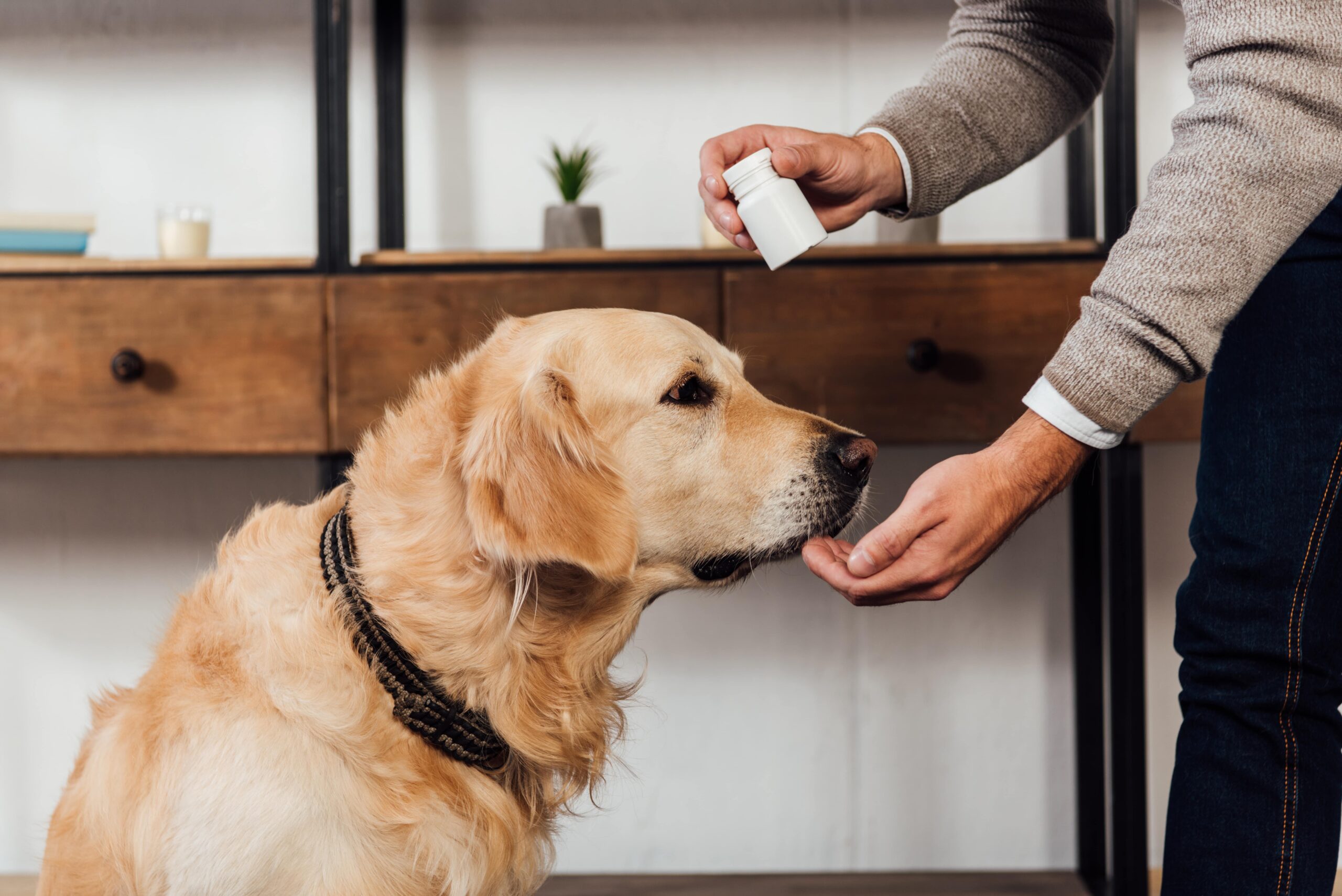
Can CBD Kill a Dog? Essential Safety Information Every Pet Owner Needs
Pet owners increasingly turn to CBD for dogs as a natural wellness option, but safety concerns naturally arise when considering cannabis products for beloved companions. At Crop Processors, our team works closely with veterinary professionals to understand the real risks and benefits associated with CBD use in pets. The question of whether CBD can kill a dog requires careful examination of scientific evidence, proper dosing protocols, and quality standards that distinguish safe products from potentially harmful alternatives.
Understanding CBD safety for pets begins with recognizing the fundamental differences between human and canine physiology, particularly regarding how dogs process cannabinoids compared to their human counterparts. Dogs possess different concentrations of cannabinoid receptors and metabolize compounds at different rates, making species-specific formulations and dosing guidelines essential for safe usage. Our research team has extensively studied these physiological differences to develop appropriate safety protocols for pet owners considering CBD supplementation.
The effectiveness of CBD for dogs has been documented in various veterinary studies, but these positive outcomes depend entirely on using appropriate products, proper dosing, and veterinary supervision throughout the treatment process. Quality CBD products designed specifically for pets undergo different testing protocols and contain different concentration levels compared to human products. Professional manufacturers like Crop Processors prioritize these distinctions to ensure pet safety while maximizing potential therapeutic benefits.
Responsible pet ownership requires understanding both the potential benefits and risks associated with any supplement or medication, including CBD products. While properly formulated and dosed CBD products have demonstrated safety in veterinary applications, several factors can create dangerous situations for dogs if pet owners make uninformed decisions about product selection or dosing protocols. Education about these risk factors helps pet owners make informed decisions that prioritize their companions’ health and safety.
Can CBD Kill a Dog? Here’s What Vets Actually Say
Veterinary professionals consistently emphasize that pure CBD itself, when properly dosed and administered, does not pose lethal risks to dogs under normal circumstances. However, the question of whether CBD can kill a dog becomes more complex when considering product quality, dosing accuracy, and individual pet health factors that can influence safety outcomes. Leading veterinary toxicologists have studied CBD safety extensively and established guidelines that help pet owners understand realistic risk assessments.
The primary concern among veterinary professionals centers on THC toxicity rather than CBD toxicity, as dogs demonstrate extreme sensitivity to THC even in small amounts. Products containing less than 0.3 percent THC meet federal guidelines for hemp-derived products, but even these trace amounts can cause problems for sensitive dogs if consumed in large quantities. Professional veterinarians emphasize that death from pure CBD overdose remains extremely rare, though dogs can experience uncomfortable symptoms from excessive doses.
Clinical signs of CBD overconsumption in dogs typically include extreme drowsiness, loss of coordination, changes in appetite, and digestive upset, but these symptoms rarely progress to life-threatening conditions when pure CBD products are involved. Veterinary emergency clinics report that most CBD-related incidents involve products containing higher THC levels or contaminated with harmful additives rather than pure CBD overdoses. Understanding these distinctions helps pet owners recognize genuine risks versus exaggerated concerns.
Understanding Canine CBD Metabolism
Dogs process CBD differently than humans due to variations in liver enzyme activity and body weight distribution, requiring different dosing approaches to achieve therapeutic benefits safely. The canine endocannabinoid system responds to CBD at different concentrations compared to human systems, making human dosing guidelines inappropriate for pets. Veterinary research indicates that dogs typically require lower doses relative to body weight to achieve similar therapeutic effects as humans experience.
Liver enzyme function plays a crucial role in how dogs metabolize CBD, with some breeds showing greater sensitivity to cannabinoid processing than others. Professional veterinary guidance helps identify individual factors that might influence CBD metabolism, including age, breed characteristics, existing health conditions, and concurrent medications that could affect processing rates. These personalized considerations ensure safer outcomes for pets receiving CBD supplementation.
Recognizing Symptoms and Emergency Situations
Pet owners must understand the difference between normal adjustment periods and potentially concerning symptoms that warrant veterinary attention when introducing CBD to their dogs. Most dogs experience mild drowsiness or changes in appetite during initial CBD introduction, but severe symptoms like respiratory depression, significant blood pressure changes, or urinary incontinence require immediate professional evaluation. Recognizing these distinctions helps pet owners respond appropriately to their dogs’ needs.
Emergency situations involving CBD typically arise from accidental ingestion of large quantities or consumption of products containing high THC levels rather than appropriate CBD dosing. Veterinary professionals recommend establishing baseline health measurements before beginning CBD supplementation and monitoring pets closely during initial treatment periods. This proactive approach enables early identification of concerning symptoms and prompt veterinary intervention when necessary.
The Real Danger Lies in Low-Quality or Mislabeled CBD Products
The greatest risks associated with CBD for dogs stem from contaminated, mislabeled, or inappropriately formulated products rather than properly manufactured CBD itself. Unregulated manufacturing processes can introduce heavy metals, pesticides, residual solvents, or other toxins that pose serious health risks to pets even in small quantities. Professional pet owners prioritize products from manufacturers who provide comprehensive testing documentation and maintain strict quality control standards throughout production processes.
Mislabeled products represent a significant concern in the pet CBD market, with some products containing vastly different cannabinoid concentrations than advertised on packaging labels. Dogs who receive incorrect doses due to inaccurate labeling may experience either ineffective treatment or potentially harmful overconsumption without their owners’ knowledge. Third-party testing verification helps identify products with accurate labeling and consistent potency levels that enable predictable dosing outcomes.
THC contamination poses the most serious risk to dogs among cannabis-related compounds, as canine sensitivity to THC far exceeds human tolerance levels. Products that exceed stated THC limits or contain undisclosed THC concentrations can cause severe toxicity symptoms in dogs, including coordination problems, anxiety, and in extreme cases, more serious health complications. Professional manufacturers implement rigorous testing protocols to ensure THC levels remain well below dangerous thresholds for canine consumption.
Identifying Quality Control Red Flags
Several warning signs indicate potentially problematic CBD products that pet owners should avoid when selecting supplements for their dogs. Extremely low prices often indicate compromised manufacturing processes, inadequate testing protocols, or diluted formulations that provide minimal therapeutic value while potentially containing harmful contaminants. Professional-grade pet CBD products require significant investment in quality ingredients, testing, and specialized manufacturing equipment that necessarily reflects in appropriate pricing structures.
Missing or incomplete third-party testing documentation represents another critical red flag that suggests insufficient quality control measures during product development and manufacturing. Legitimate pet CBD manufacturers provide detailed laboratory reports showing cannabinoid profiles, contaminant testing results, and potency verification from accredited testing facilities. These reports should be current, specific to individual product batches, and easily accessible to consumers through manufacturer websites or customer service departments.
Understanding Contamination Risks
Contaminated cannabis plants can introduce various toxins into CBD products, including pesticides, heavy metals, and microbial pathogens that pose serious health risks to pets consuming these products regularly. Dogs often show greater sensitivity to environmental toxins compared to humans, making contamination screening particularly important for pet-specific formulations. Professional manufacturers source hemp from organic cultivation operations and implement comprehensive screening protocols to eliminate contamination risks.
Extraction and processing methods significantly influence final product purity, with some techniques introducing harmful solvents or other chemicals that remain in finished products despite purification attempts. Carbon dioxide extraction and ethanol-based methods typically produce cleaner extracts compared to hydrocarbon-based alternatives, though proper purification procedures can effectively remove residual processing chemicals from any extraction method. Understanding these manufacturing differences helps pet owners select products from companies prioritizing safety and purity.
Safe CBD Use for Pets Starts With the Right Dosage and Formula
Establishing appropriate CBD dosage for dogs requires careful consideration of body weight, health status, intended therapeutic goals, and individual sensitivity factors that vary significantly between different pets. Professional veterinary guidance provides the most reliable foundation for determining starting doses and adjustment protocols that maximize benefits while minimizing risks of adverse reactions. Most veterinarians recommend beginning with very low doses and gradually increasing based on individual pet responses and observed outcomes.
Pet-specific CBD formulations differ significantly from human products in terms of concentration levels, carrier oil selection, and additional ingredients that may affect canine health and safety. Dogs cannot safely consume many ingredients commonly found in human CBD products, including certain sweeteners, flavorings, and carrier oils that may cause digestive upset or other health complications. Professional pet CBD manufacturers formulate products specifically for canine physiology and safety requirements.
The amount of CBD appropriate for individual dogs depends on multiple factors beyond simple body weight calculations, including the severity of symptoms being addressed, individual metabolism rates, and concurrent medications or supplements that might influence CBD effectiveness. Veterinary professionals typically recommend starting doses between 0.1 and 0.25 milligrams per pound of body weight, administered once or twice daily depending on specific therapeutic goals and individual pet responses.
Developing Safe Introduction Protocols
Introducing CBD to dogs requires systematic approaches that allow pet owners to monitor responses carefully while minimizing risks of adverse reactions or overconsumption. Professional protocols typically involve starting with minimal doses administered at consistent times daily, maintaining detailed records of pet behavior and symptoms, and gradually adjusting doses based on observed outcomes over several weeks. This methodical approach enables identification of optimal dosing levels while ensuring pet safety throughout the process.
Monitoring guidelines help pet owners recognize normal adjustment responses versus concerning symptoms that warrant veterinary attention or dosing modifications. Most dogs experience subtle changes in energy levels or appetite during initial CBD introduction, but significant behavioral changes, coordination problems, or digestive upset may indicate inappropriate dosing or individual sensitivity issues. Detailed monitoring records provide valuable information for veterinary consultations and dosing adjustments.
Choosing Appropriate Product Formulations
CBD treats designed specifically for dogs offer convenient dosing options while providing appealing flavors that encourage consistent administration, though pet owners must verify that treat ingredients are appropriate for their individual pets’ dietary requirements and health conditions. Professional treat formulations avoid ingredients that may cause allergic reactions or digestive upset while providing accurate dosing information that enables predictable therapeutic outcomes. Quality control measures ensure consistent CBD content across individual treats within each production batch.
Oil-based CBD products provide greater dosing flexibility for pets with varying needs or those requiring gradual dose adjustments during treatment optimization periods. These formulations allow precise measurement of individual doses while enabling easy mixing with food or direct administration based on individual pet preferences and cooperation levels. Professional oil formulations use carrier oils that are safe for canine consumption and enhance CBD absorption rates for improved therapeutic effectiveness.
Why Pet Owners Trust Crop Processors for Safe, Lab-Tested CBD
At Crop Processors, our commitment to pet safety begins with carefully selected hemp genetics and extends through every aspect of our cultivation, extraction, and manufacturing processes specifically designed for companion animal applications. Our team includes veterinary consultants who provide guidance on formulation safety, appropriate concentration levels, and quality control measures that ensure consistent safety standards across all pet products. This collaborative approach integrates veterinary science with advanced manufacturing techniques to produce reliable, effective products.
Our comprehensive testing protocols exceed standard industry requirements, employing multiple accredited laboratories to verify product safety and potency for pet applications specifically. Each production batch undergoes analysis for cannabinoid profiles, contaminant screening, and potency verification before receiving approval for distribution to pet owners. These rigorous quality control measures provide assurance that our products meet the highest safety standards while delivering consistent therapeutic benefits for companion animals.
The science behind our pet-specific formulations reflects extensive research into canine physiology, optimal dosing ranges, and safety considerations that distinguish pet products from human alternatives. Our development team works closely with veterinary professionals to ensure that our products address real therapeutic needs while maintaining appropriate safety margins for long-term use. This evidence-based approach ensures that pet owners receive products that are both effective and safe for their beloved companions.
Advanced Safety Testing and Quality Assurance
Our state-of-the-art testing facility employs the most sophisticated analytical equipment available to ensure comprehensive evaluation of every product batch before distribution to pet owners. Testing protocols include high-performance liquid chromatography for precise cannabinoid quantification, gas chromatography for contaminant detection, and microbiological screening for pathogen identification. These advanced analytical methods provide detailed information about product composition and safety that enables informed decision making by pet owners and veterinary professionals.
Quality assurance measures integrated throughout our production process include environmental monitoring, equipment calibration verification, and personnel training programs that maintain consistent manufacturing standards. Our facility follows pharmaceutical-grade protocols adapted specifically for pet product manufacturing, ensuring that every step in our process prioritizes animal safety and product reliability. Regular audits by third-party quality assurance specialists verify that our procedures meet or exceed industry best practices for pet supplement manufacturing.
Veterinary Partnerships and Educational Resources
Our collaboration with veterinary professionals provides ongoing insights into emerging research, clinical applications, and safety considerations that inform our product development and quality control processes. These partnerships ensure that our products align with current veterinary understanding of CBD applications while anticipating future developments in companion animal therapeutics. Regular consultations with practicing veterinarians help identify areas for product improvement and development of new formulations that address unmet needs in veterinary practice.
Educational resources developed in partnership with veterinary professionals help pet owners understand appropriate CBD use, safety considerations, and realistic expectations for therapeutic outcomes in their companion animals. These materials provide evidence-based information that enables informed decision making while emphasizing the importance of veterinary consultation throughout the treatment process. Our commitment to education extends beyond product promotion to encompass genuine support for responsible pet ownership and informed healthcare decisions.
Making Informed Decisions About CBD for Your Dog
The question of whether CBD can kill a dog requires understanding the distinction between pure, properly dosed CBD products and the various risk factors that can create dangerous situations for pets. While properly manufactured and administered CBD products demonstrate excellent safety profiles in veterinary applications, pet owners must prioritize product quality, appropriate dosing, and professional veterinary guidance to ensure positive outcomes for their companions.
Responsible pet ownership includes thorough research into any supplement or medication before administration, including understanding potential benefits, risks, and proper usage protocols for individual pets. CBD products represent legitimate therapeutic options for many companion animals when used appropriately, but they require the same careful consideration and professional oversight as any other health intervention. This balanced approach ensures that pets receive potential benefits while maintaining safety as the primary priority.
The future of CBD applications in veterinary medicine continues evolving as research expands our understanding of optimal formulations, dosing protocols, and therapeutic applications for companion animals. Pet owners who prioritize education, quality products, and veterinary collaboration are most likely to achieve positive outcomes while contributing to the growing body of knowledge about CBD safety and effectiveness in companion animal care.
Professional manufacturers like Crop Processors remain committed to advancing the science of pet CBD applications while maintaining the highest safety standards and supporting responsible pet ownership through education and quality products. Our ongoing investment in research, quality control, and veterinary partnerships ensures that pet owners have access to reliable information and safe products that genuinely benefit their beloved companions. This comprehensive approach to pet health and safety represents our commitment to the welfare of companion animals and the peace of mind of their devoted owners.



0 Comments